Extended Coniston Through Trip

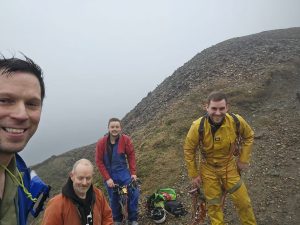
Dougle Dave, James, Jasmine, Chris G, OG Sophie, guests Sam & Nic 

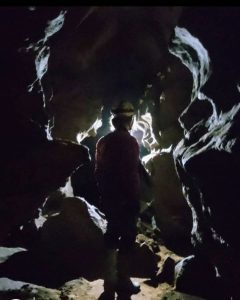
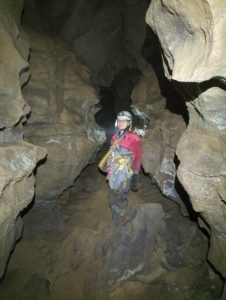
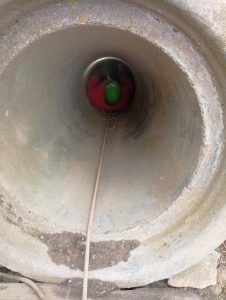
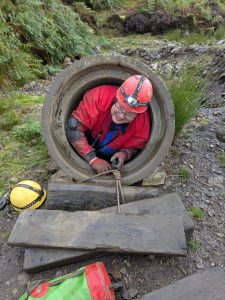
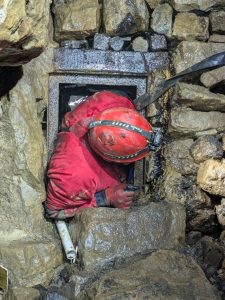
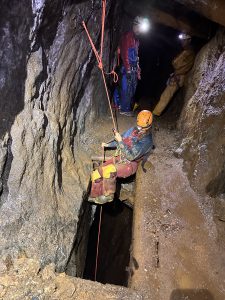
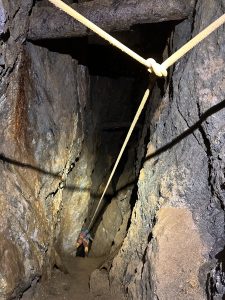
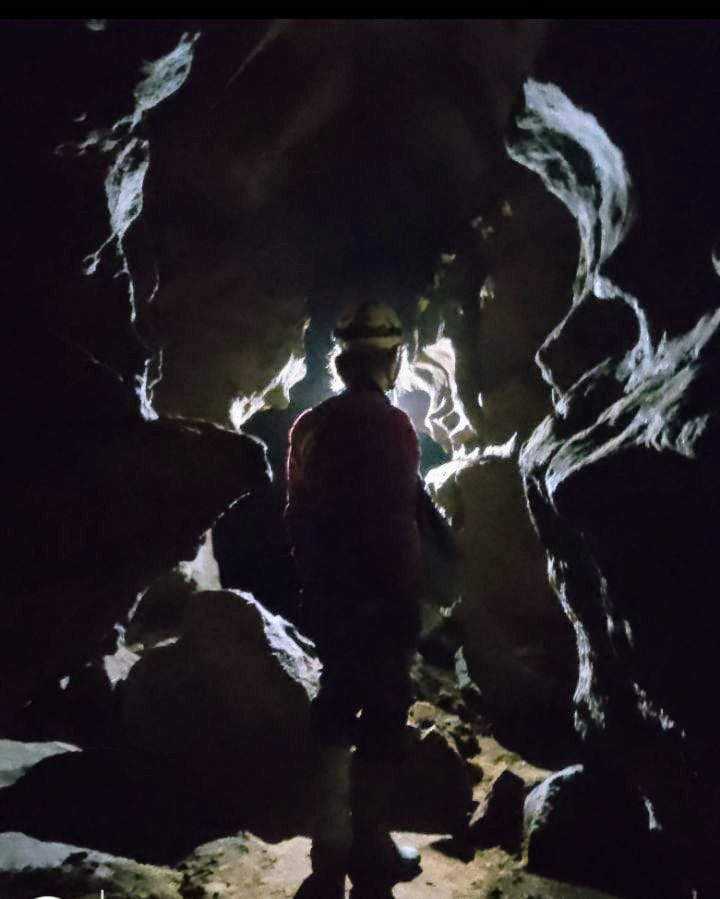
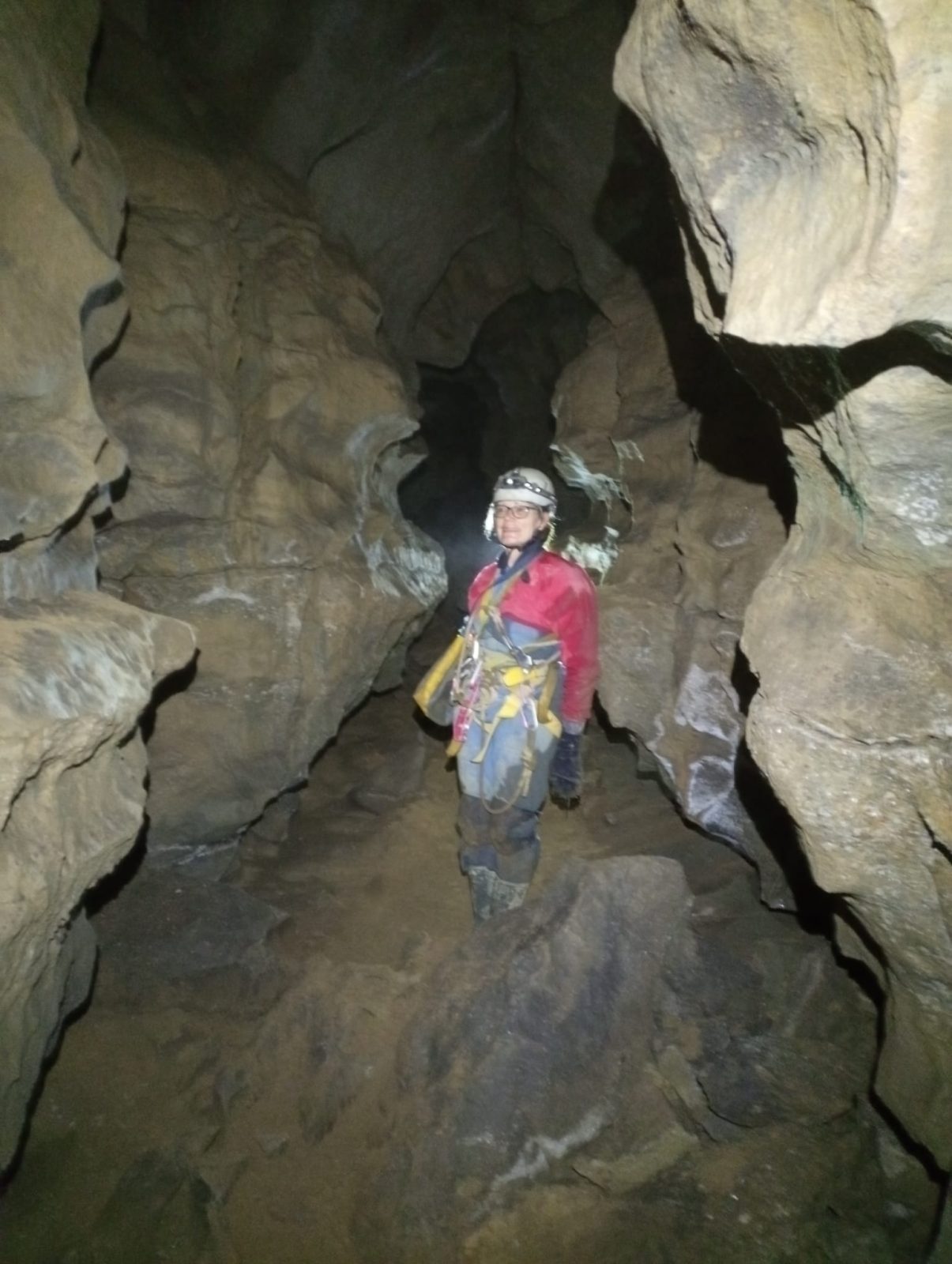
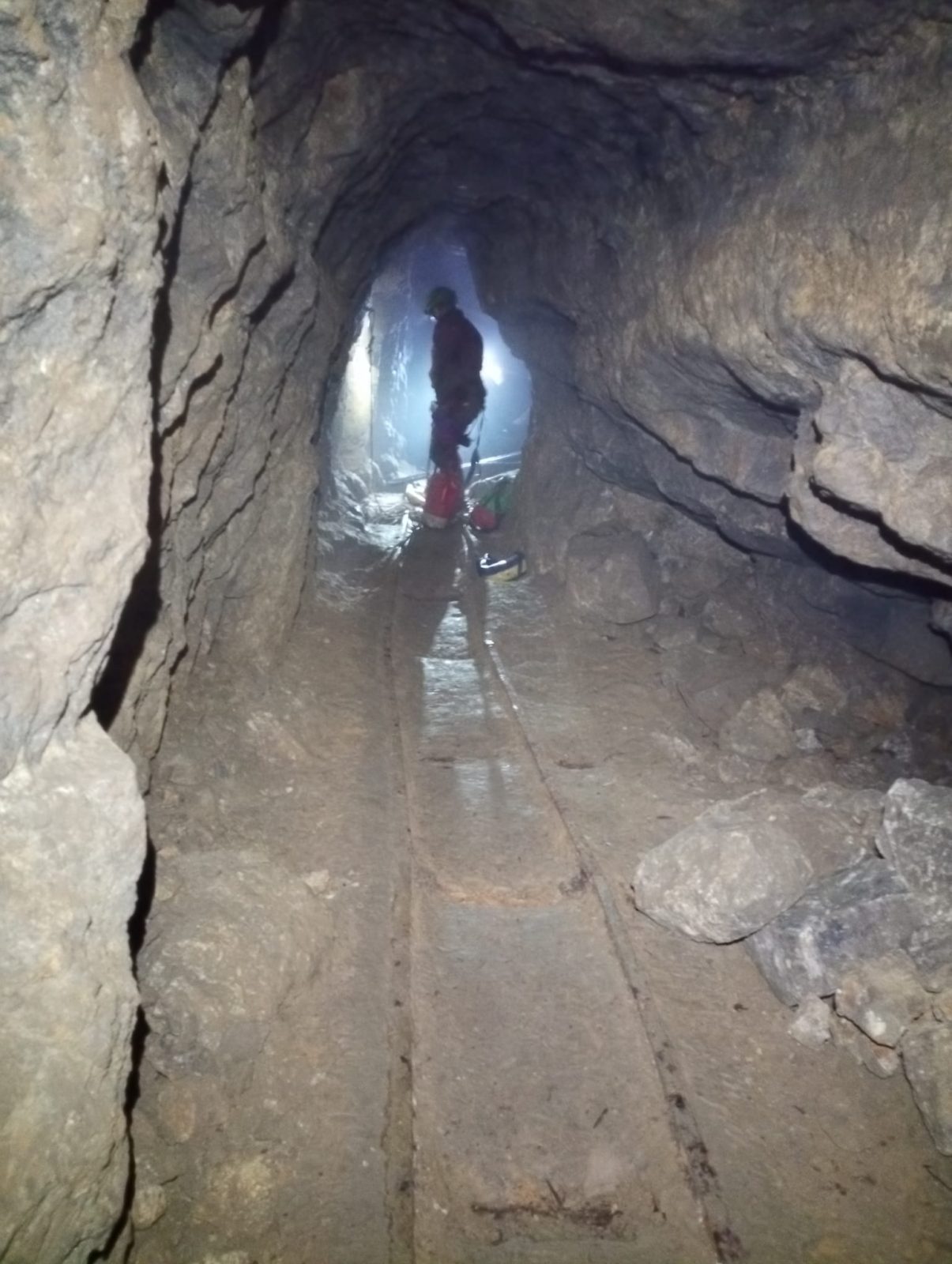
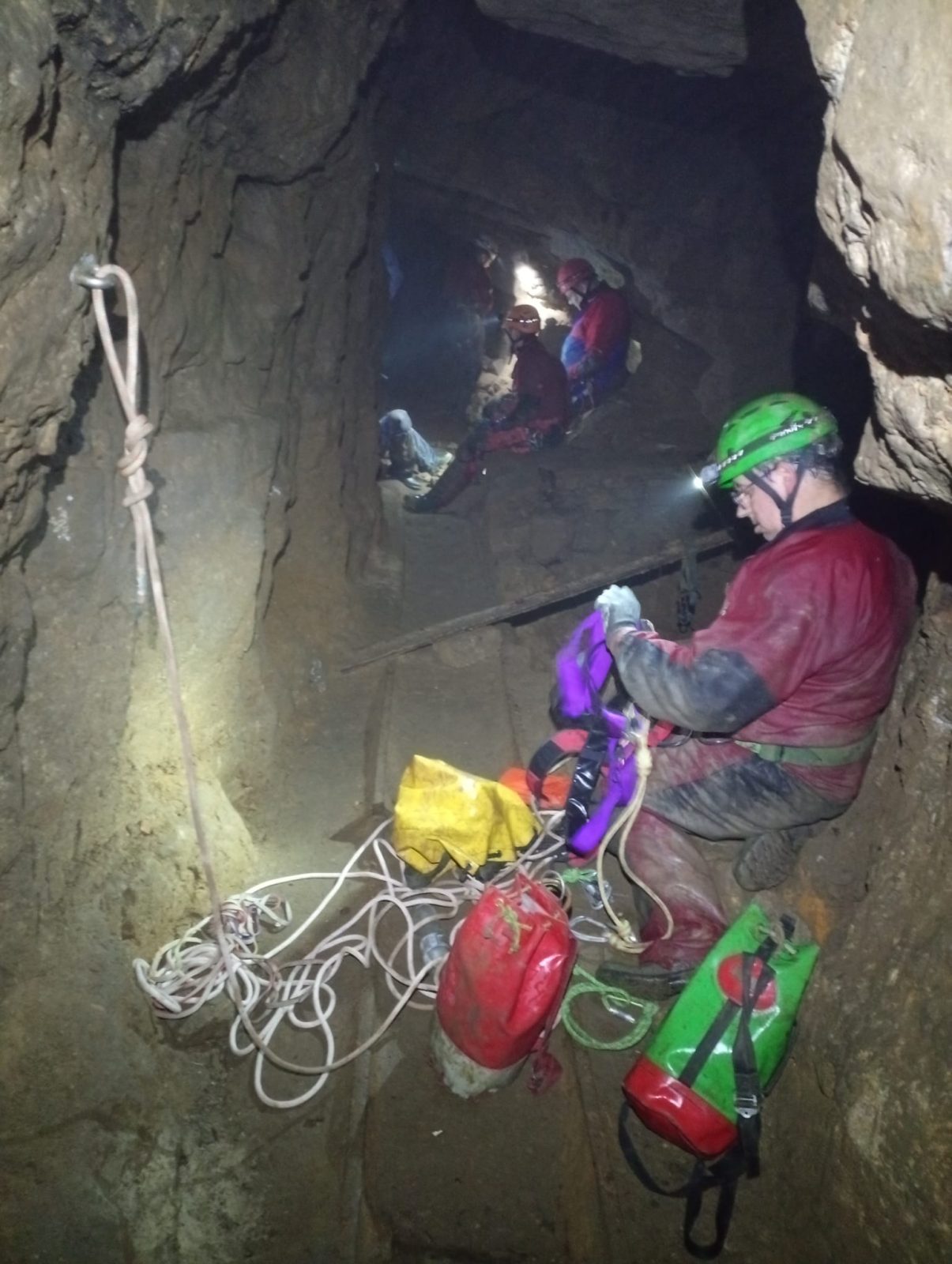
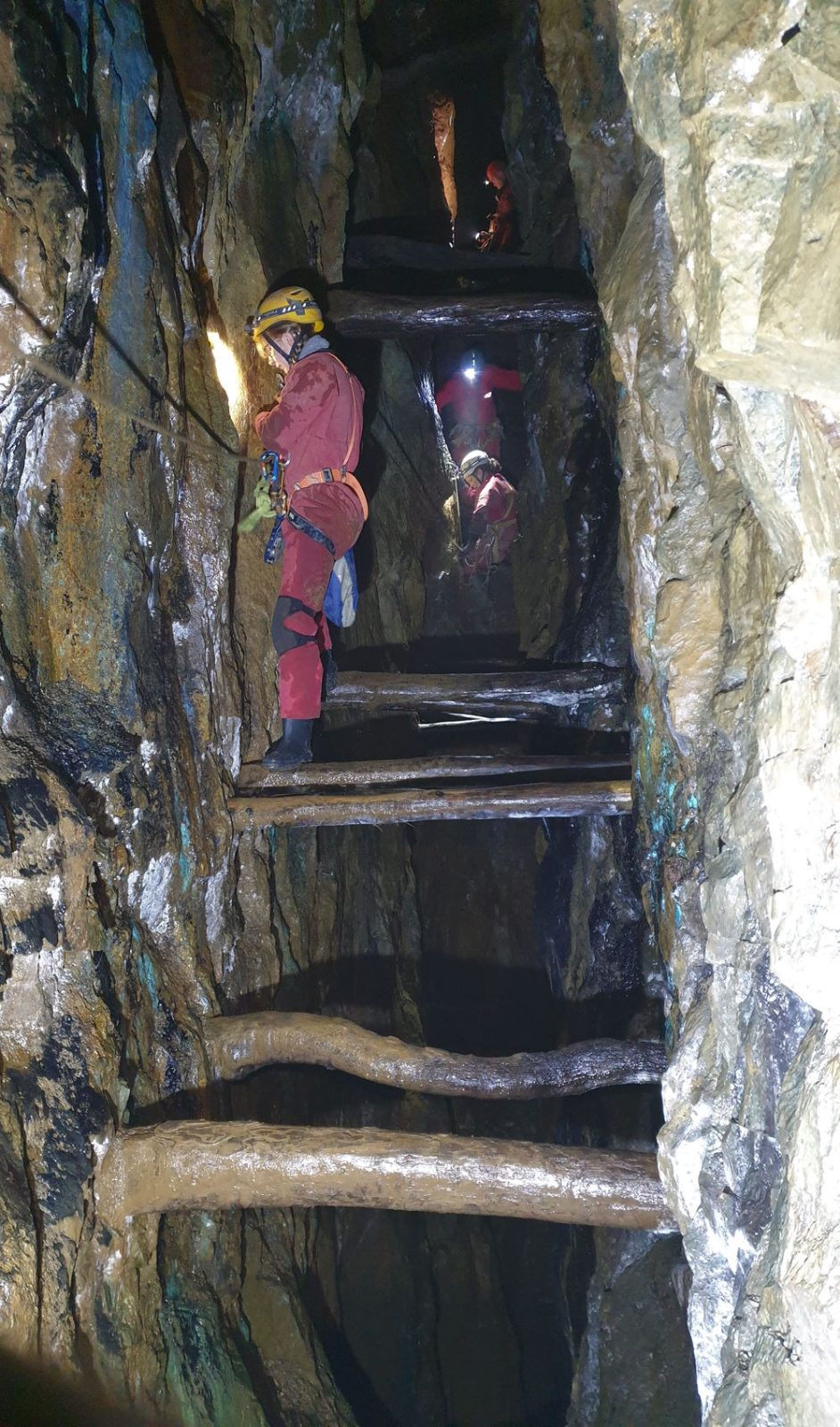
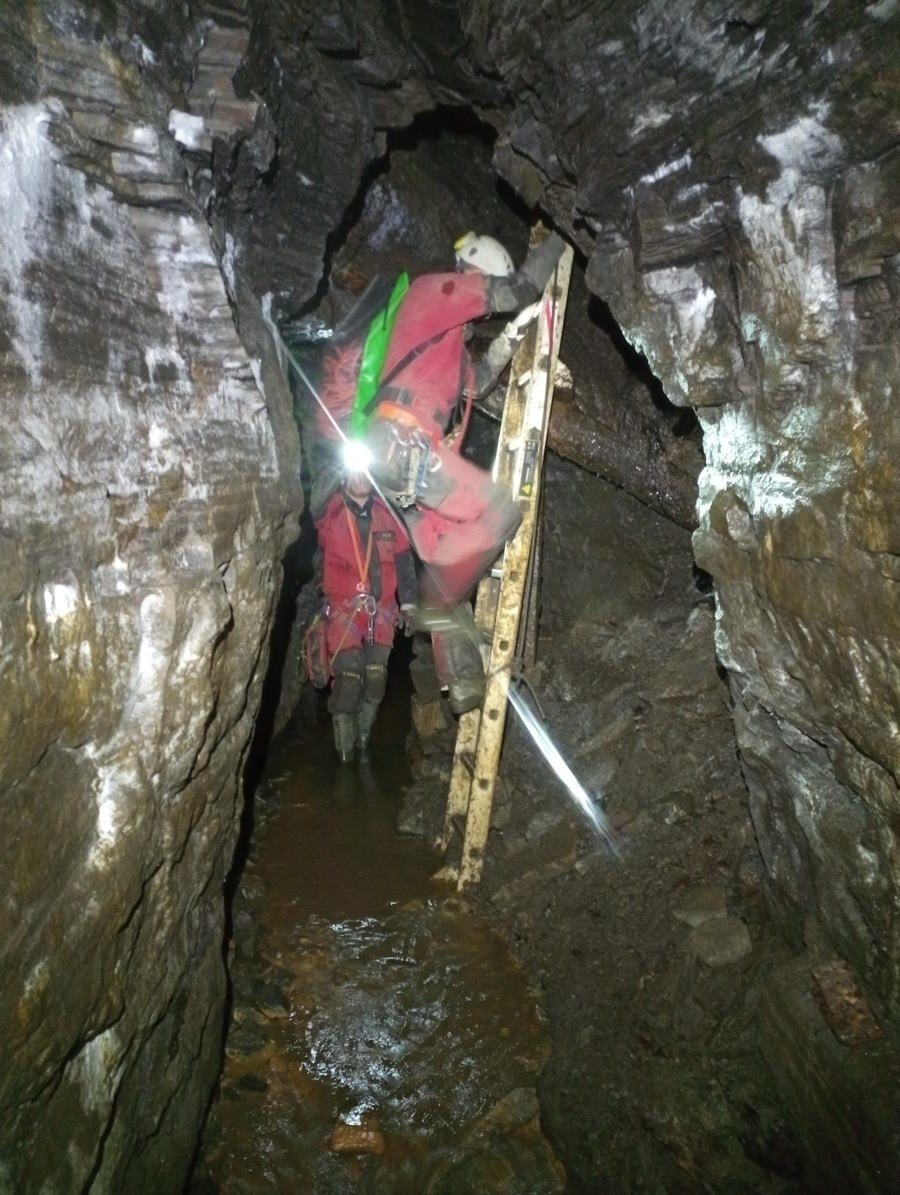
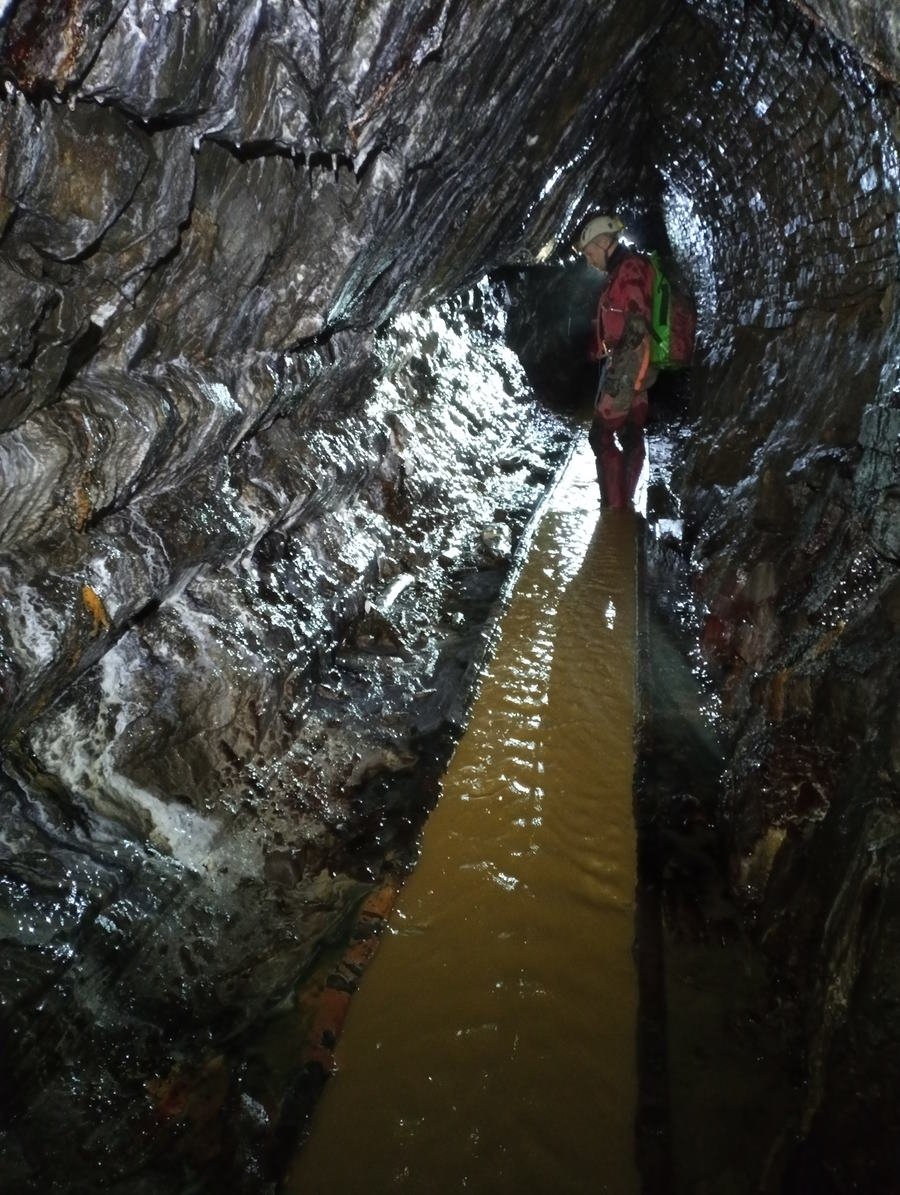
For a change of speleological scenery, this weekends trip was the Coniston through trip, taking in the extra pitches of the Levers Water Mine to Paddy End top level extension. 

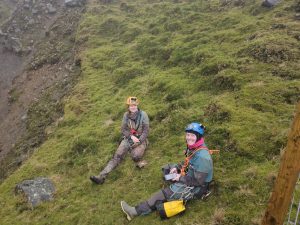
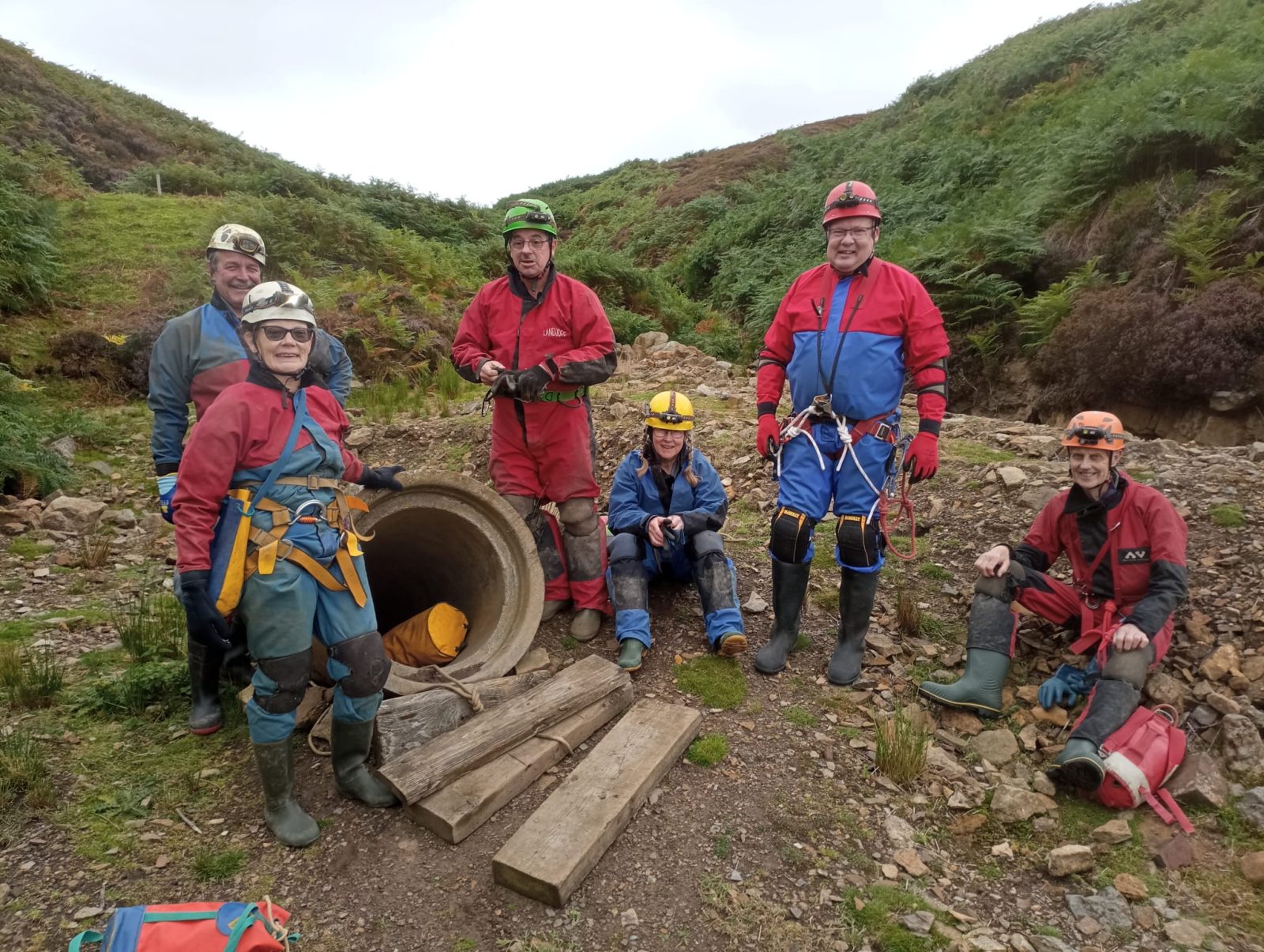
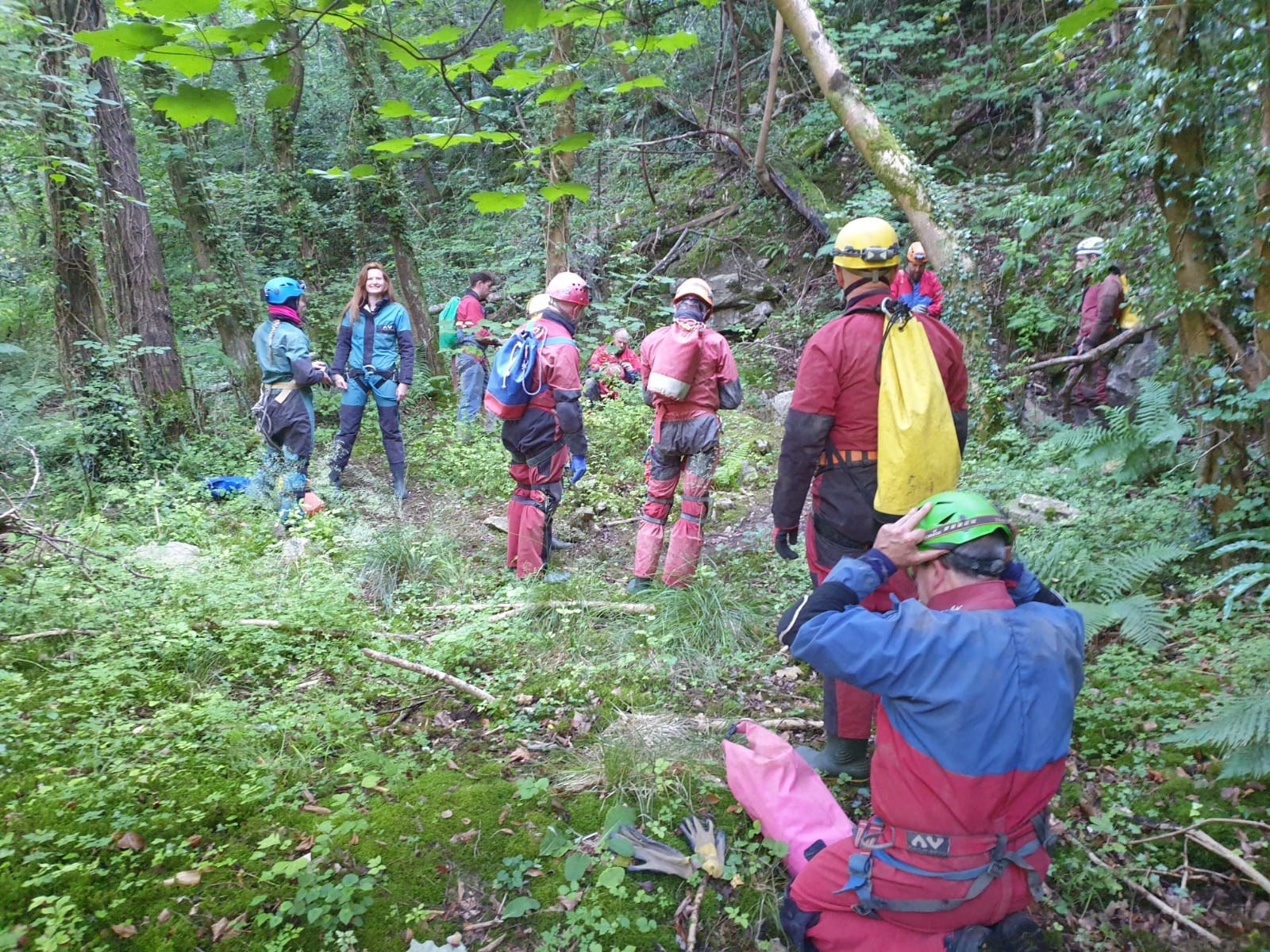
After some toe curling emails describing the joys and dangers, the hardy undeterred team met at Walna Scar car park, which was doing its best to emulate Leck Fell. The seven of us set off on the 1.5 mile trek to Levers Water, a good pre trip warm up, some folks choosing to throw snow balls. 

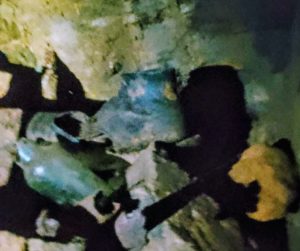
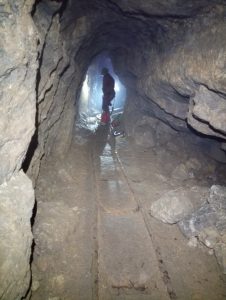
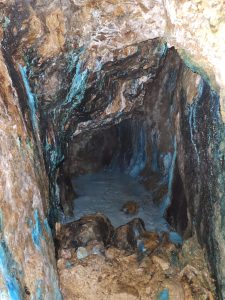
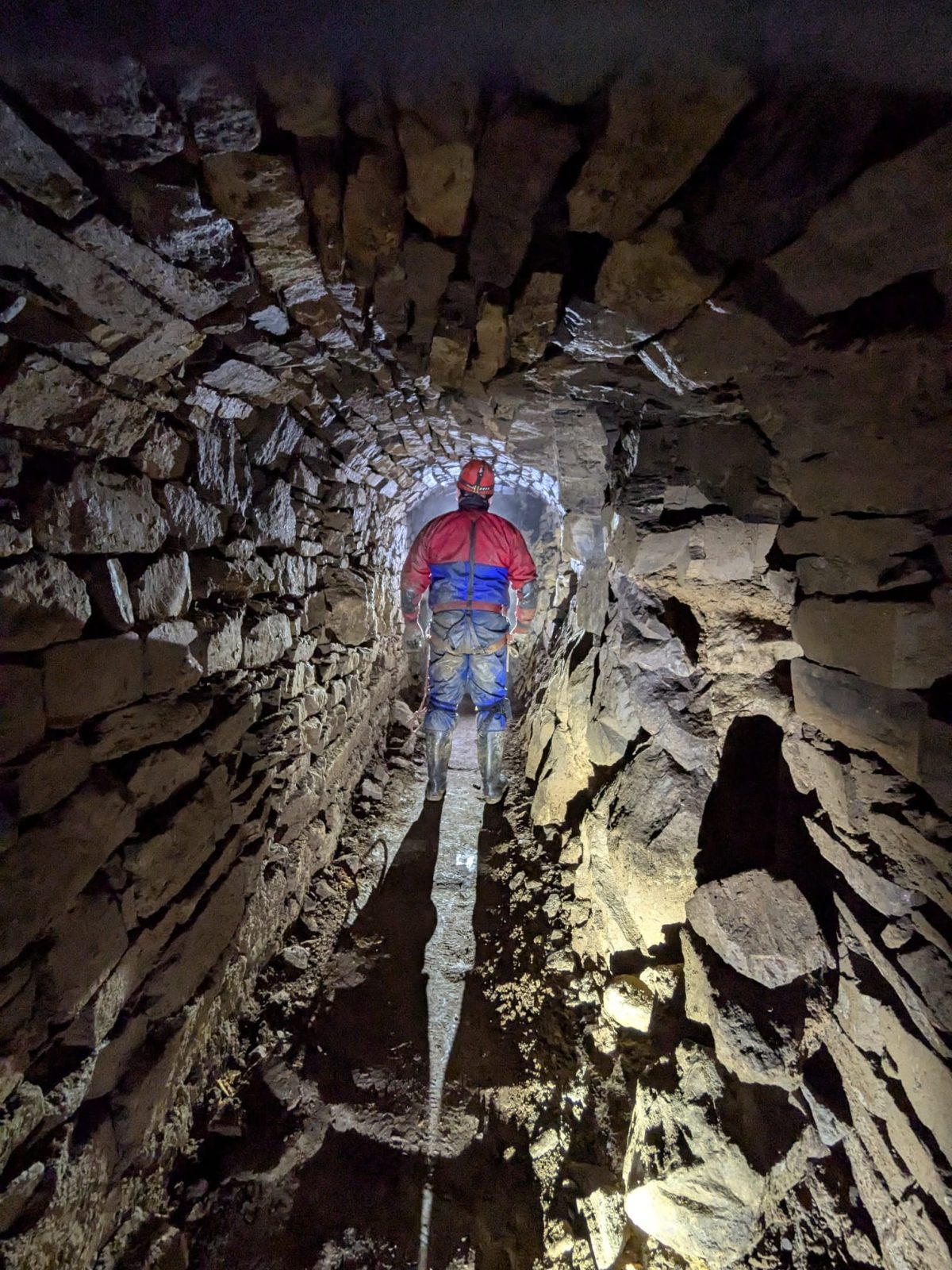
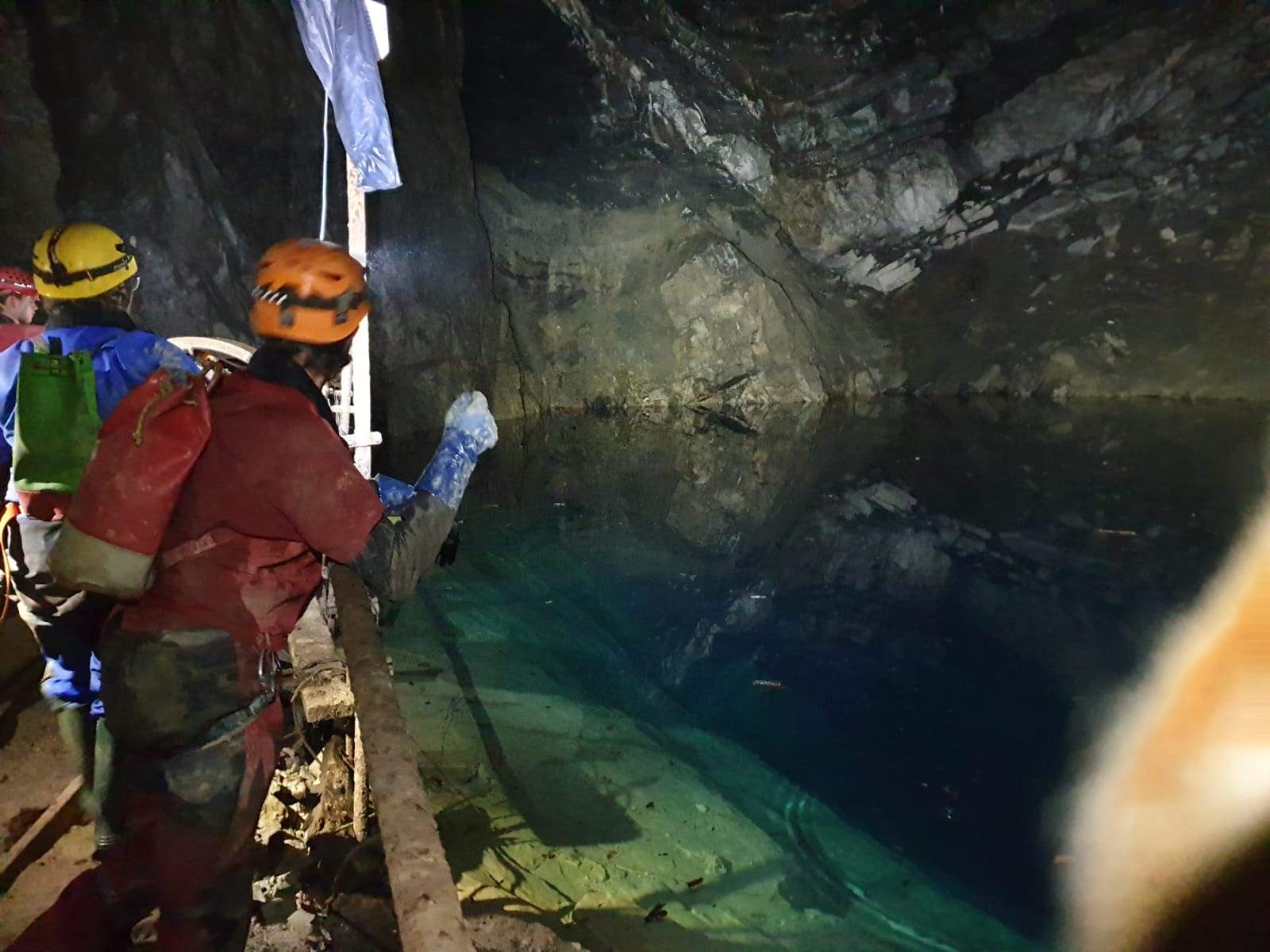
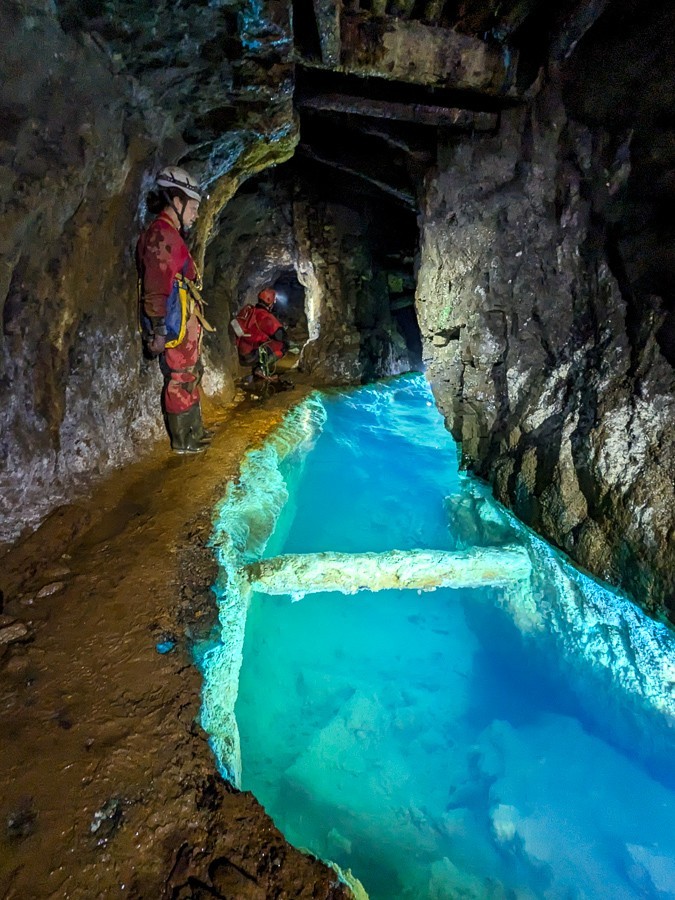
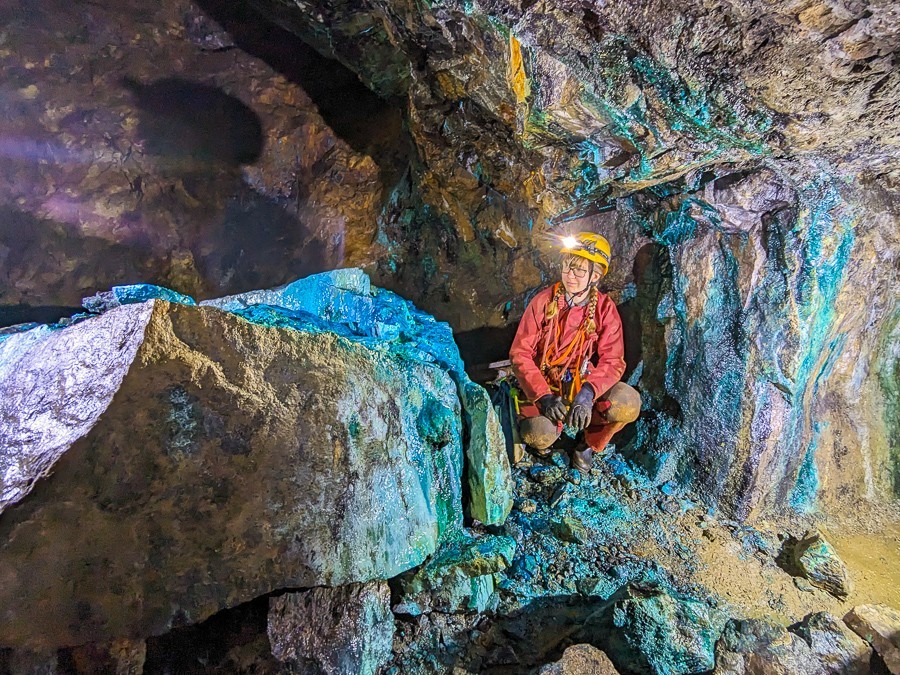
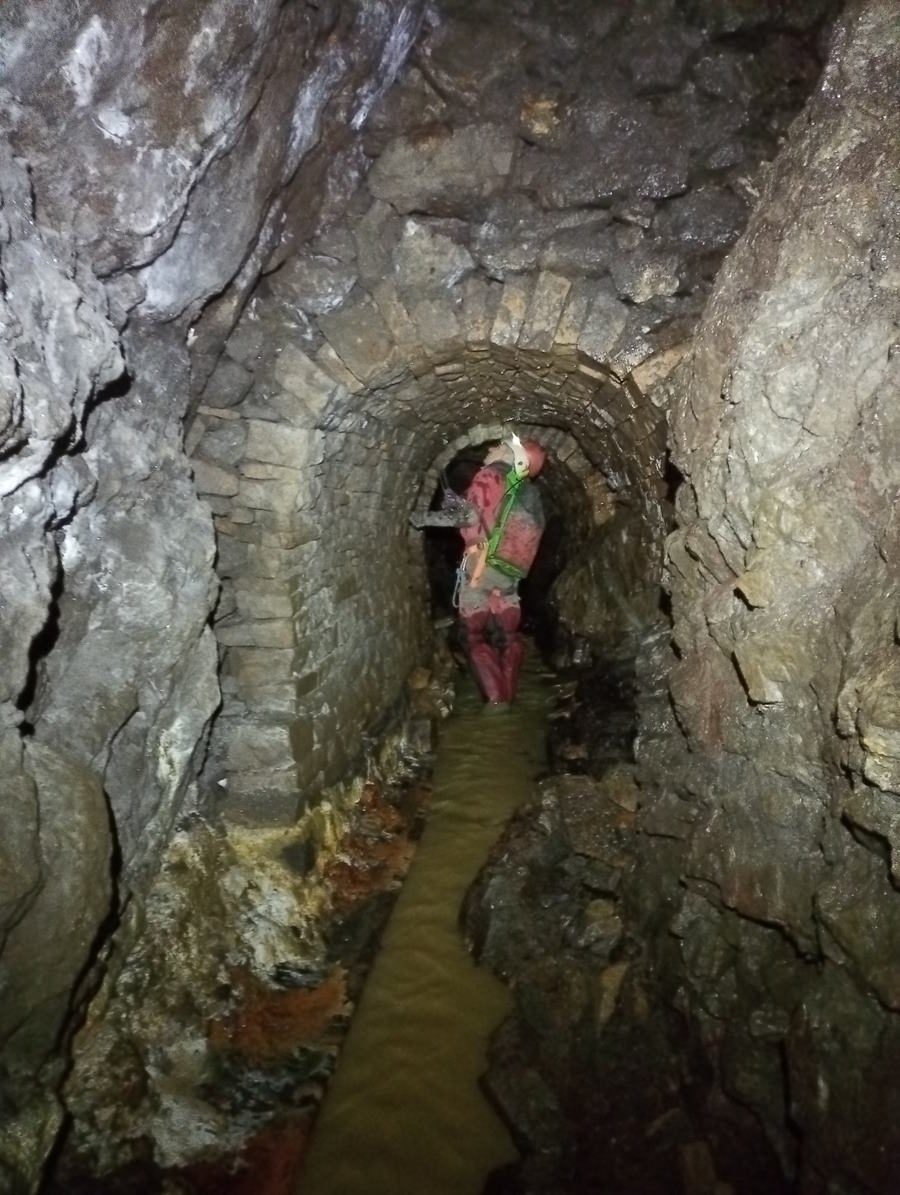
Once rested and kitted up we slid down to the funnel to the lovely adit mouth built by CATMHS on the Levers Water level. Some gardening unleashed a fair amount of water into the adjacent stope. I had promised a dry trip… the team quickly but gingerly filed down the level, admiring the blue lagoon and wonderfully coloured pitches working our way to Brow Stope. 

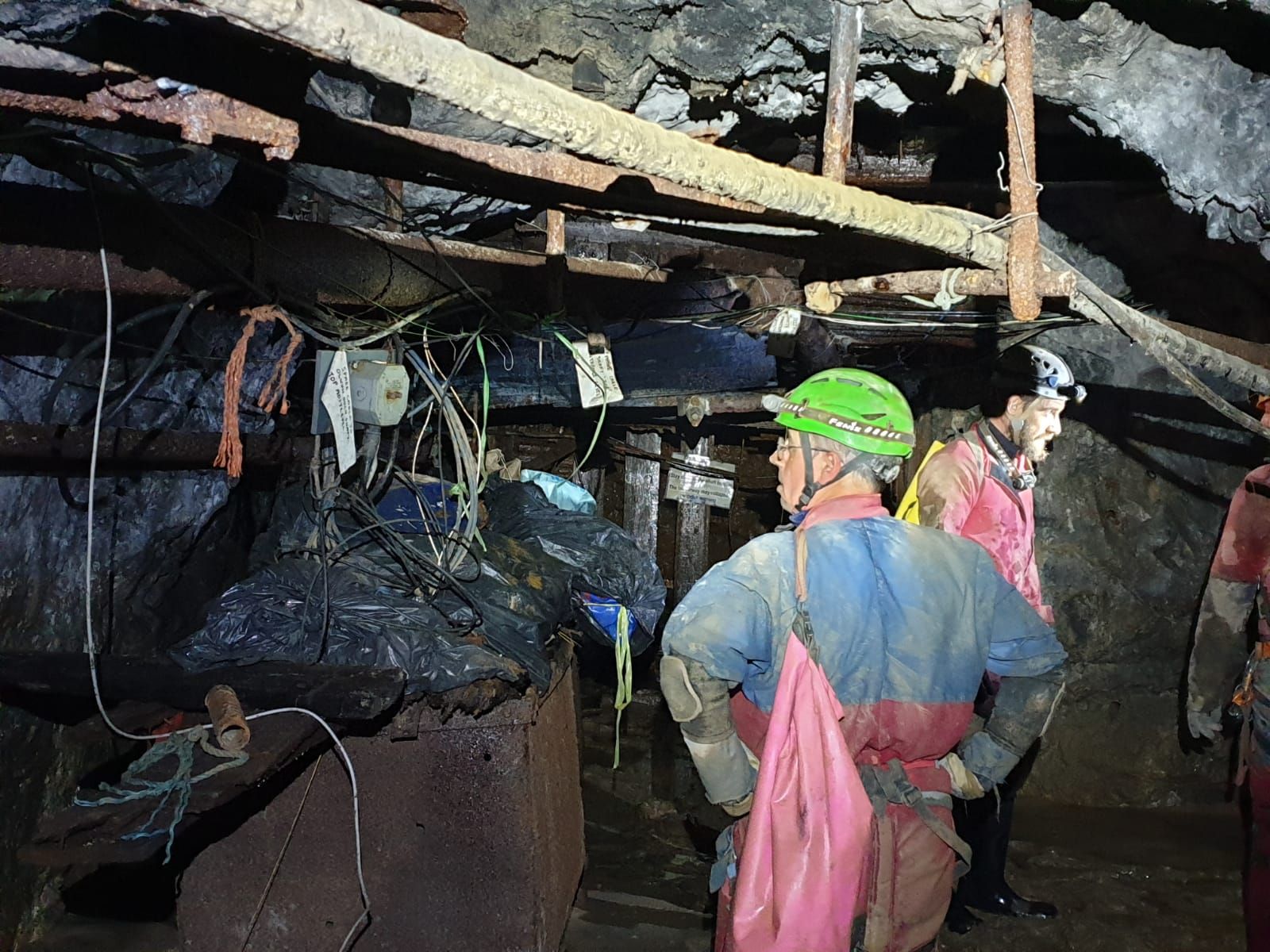
From here we explored the Top Level extension, taking in earthquake and cobalt passage, not lingering in earthquake given the recent movement, we went the 300m right to the dead end, because why not. 

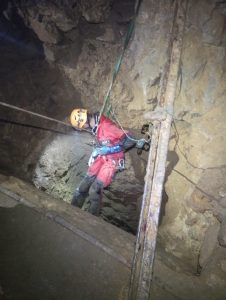
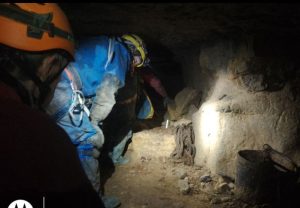
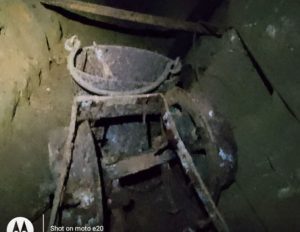
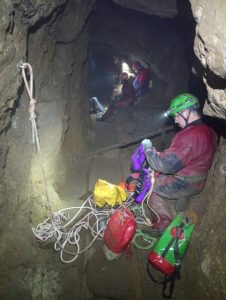
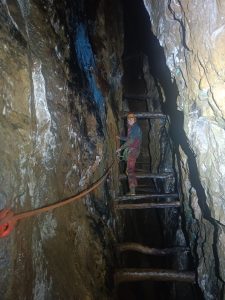
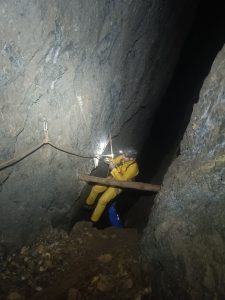
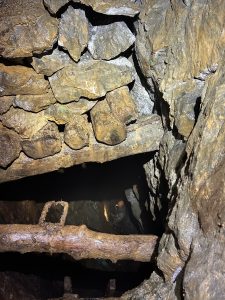
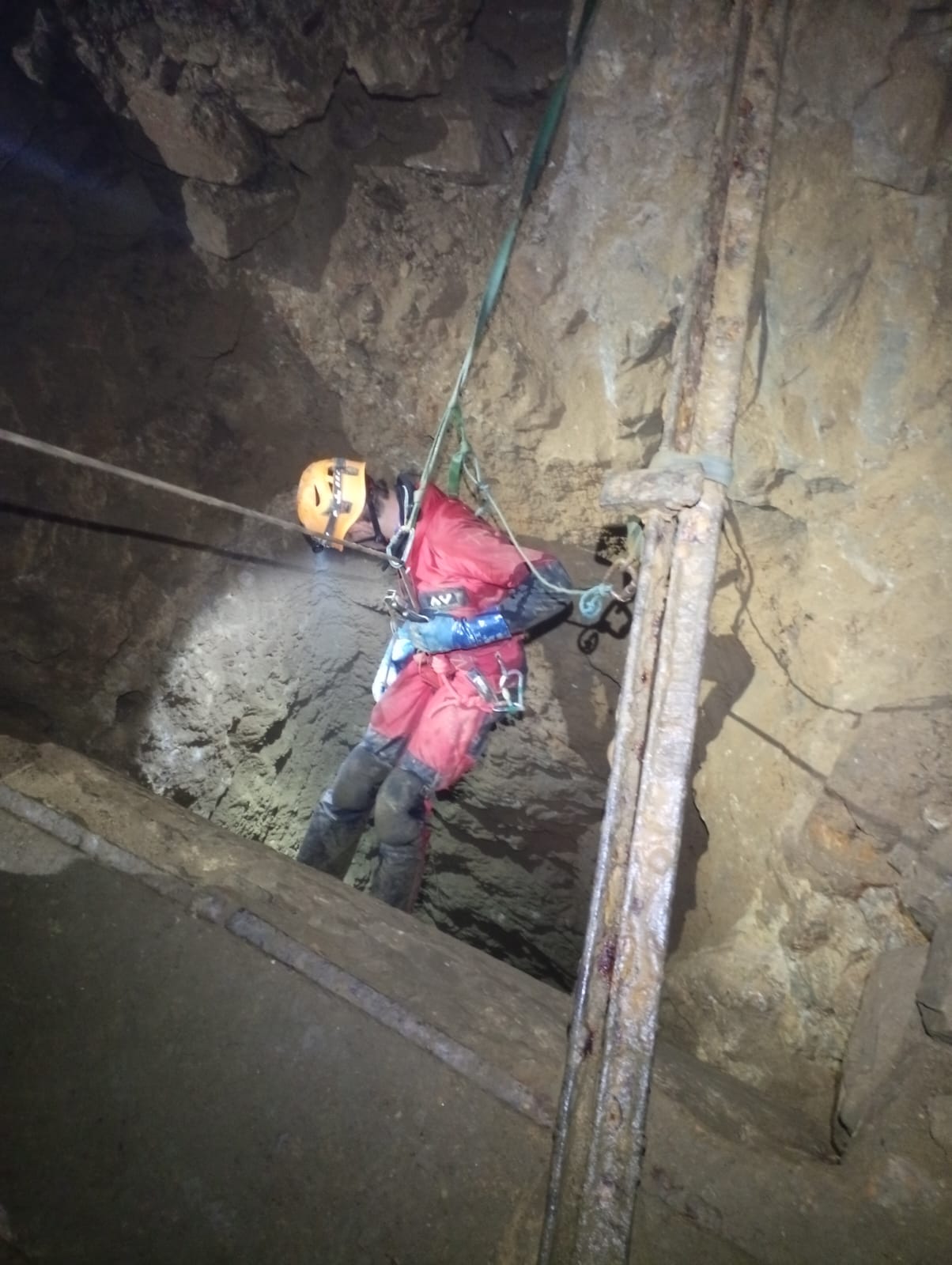
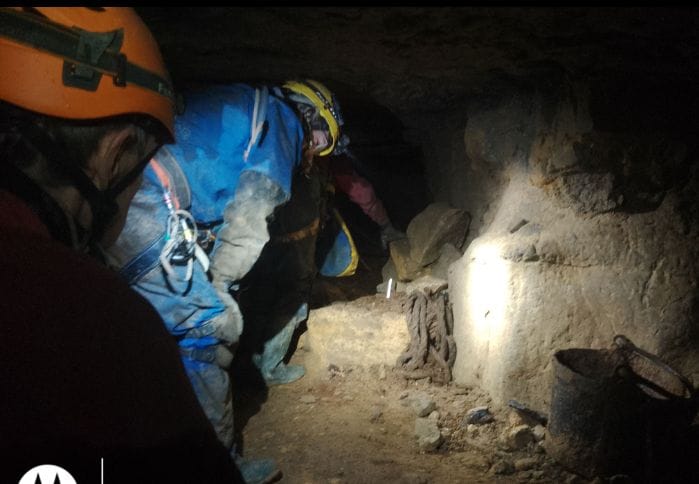
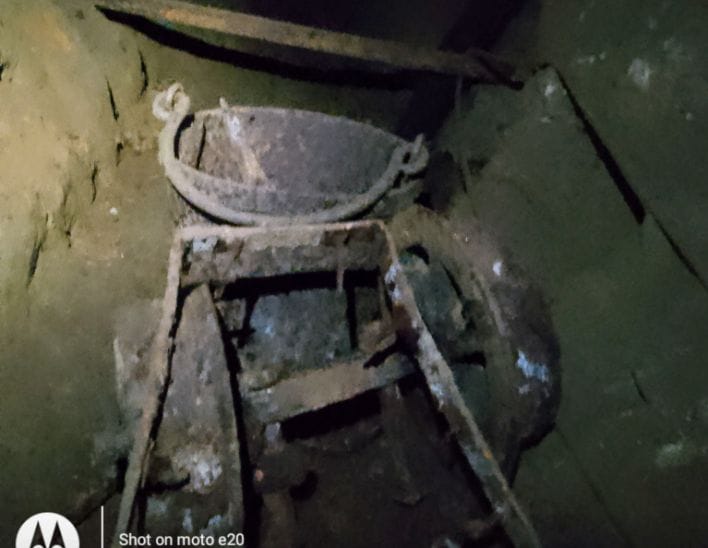
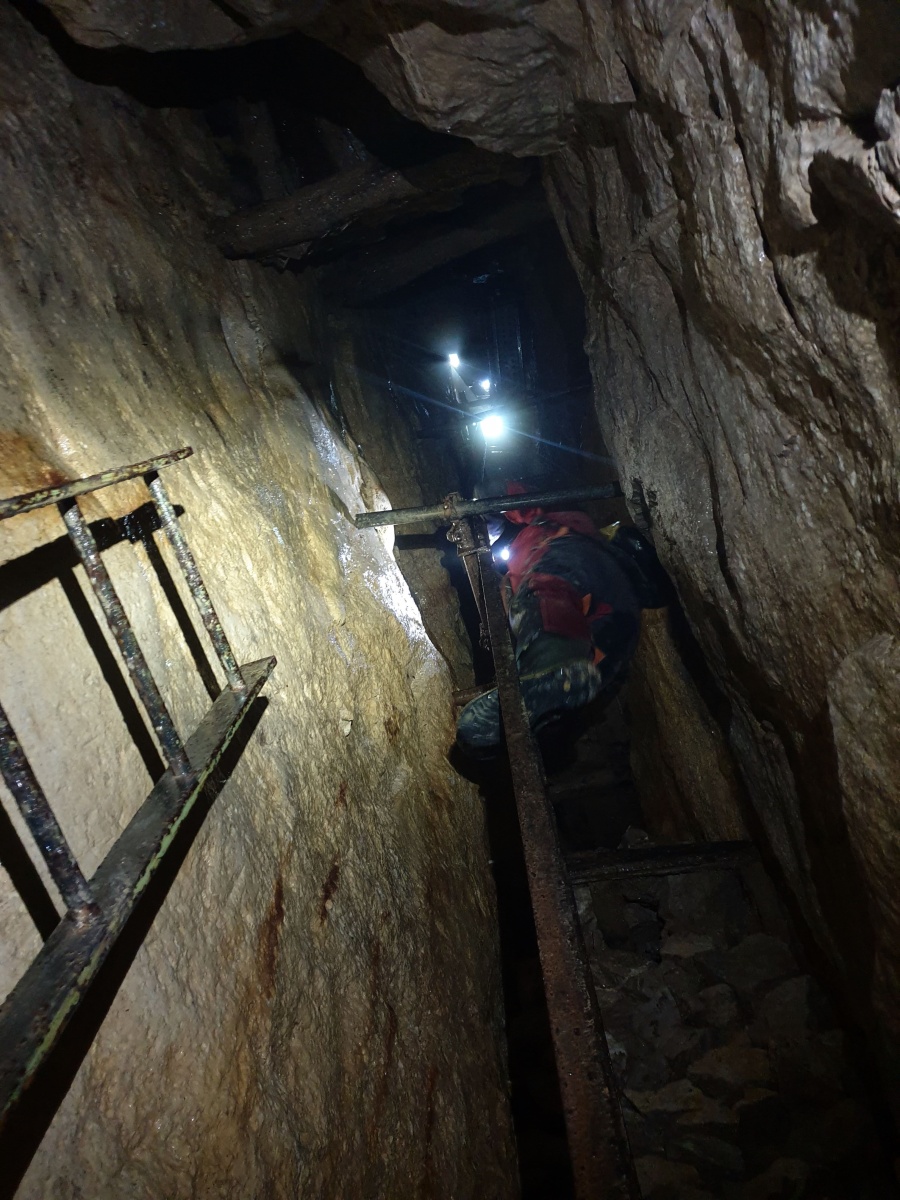
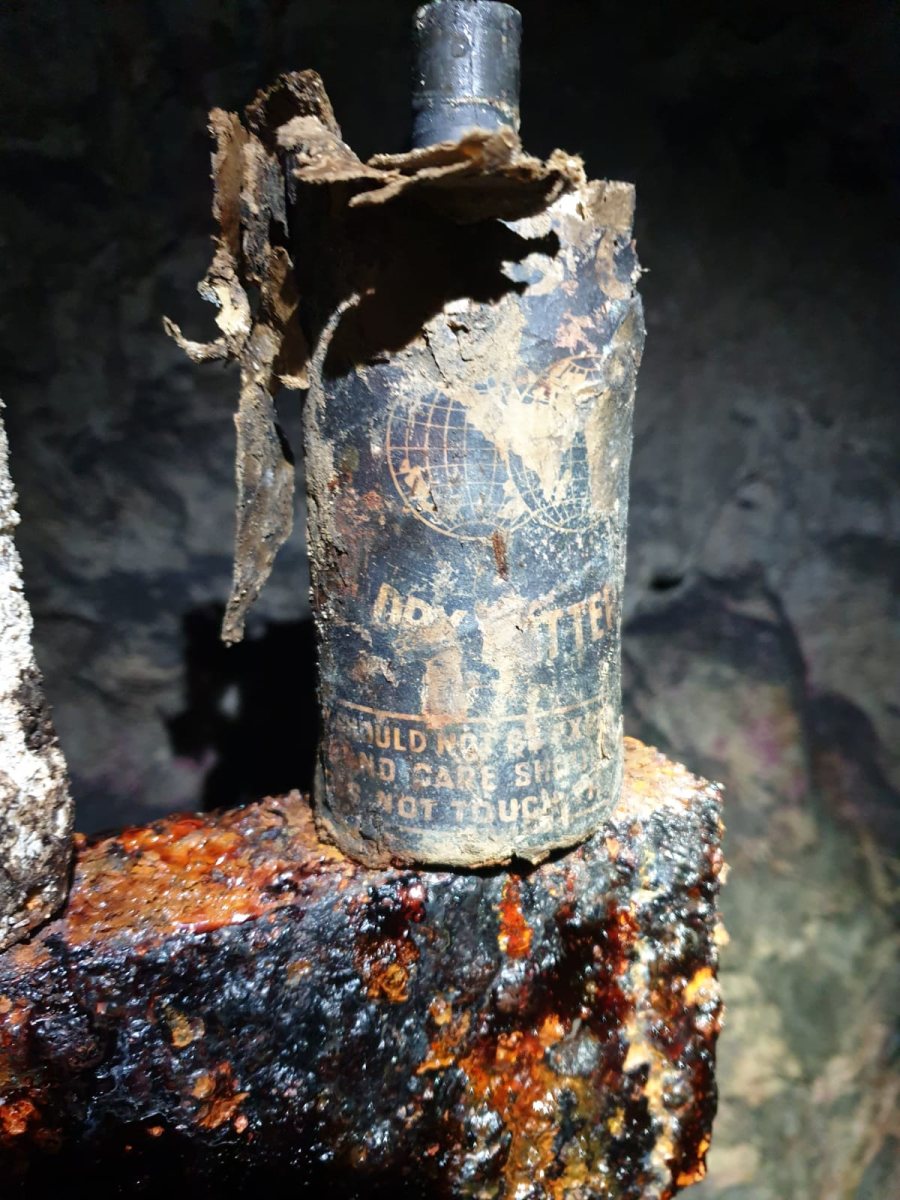
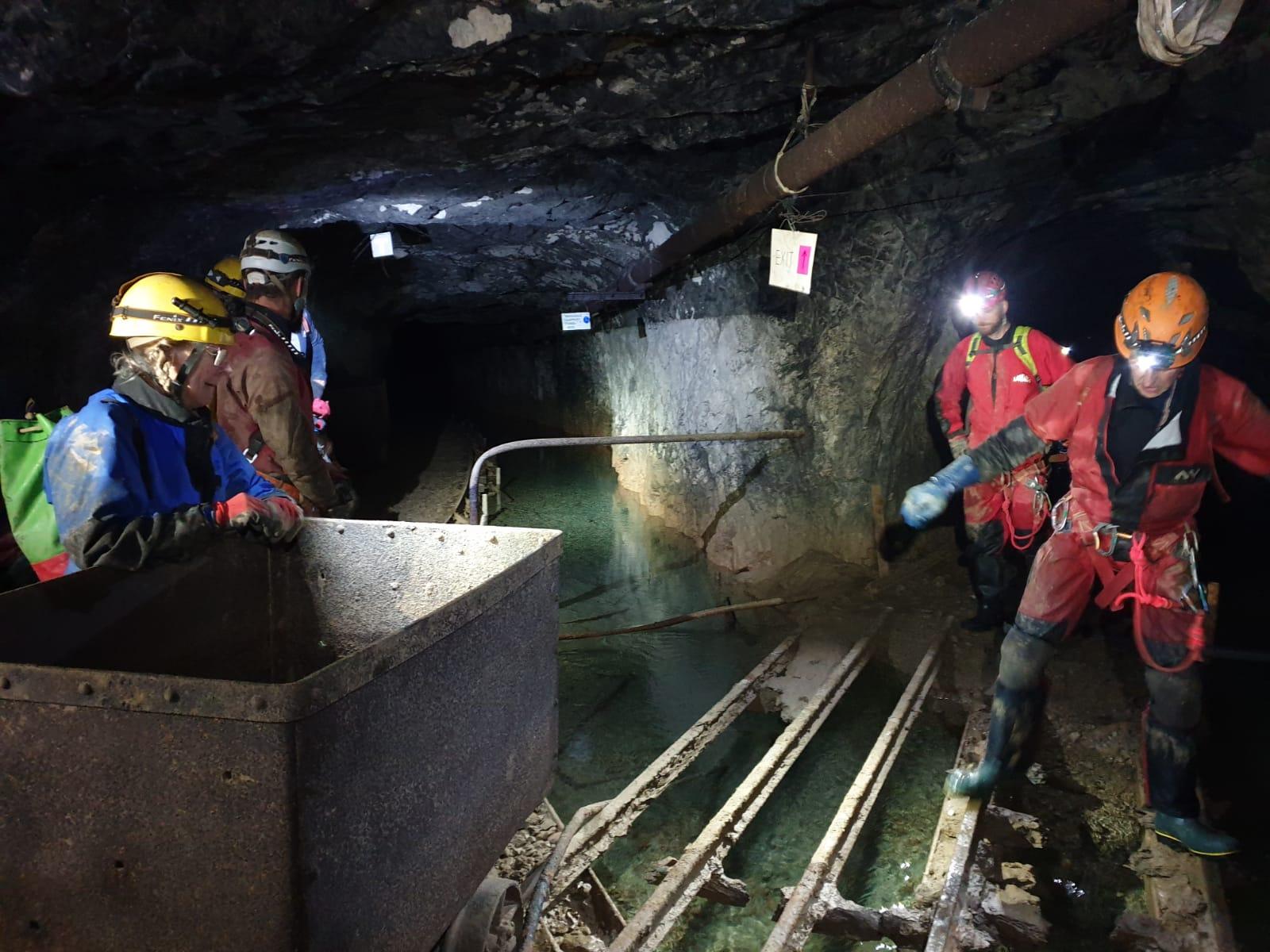
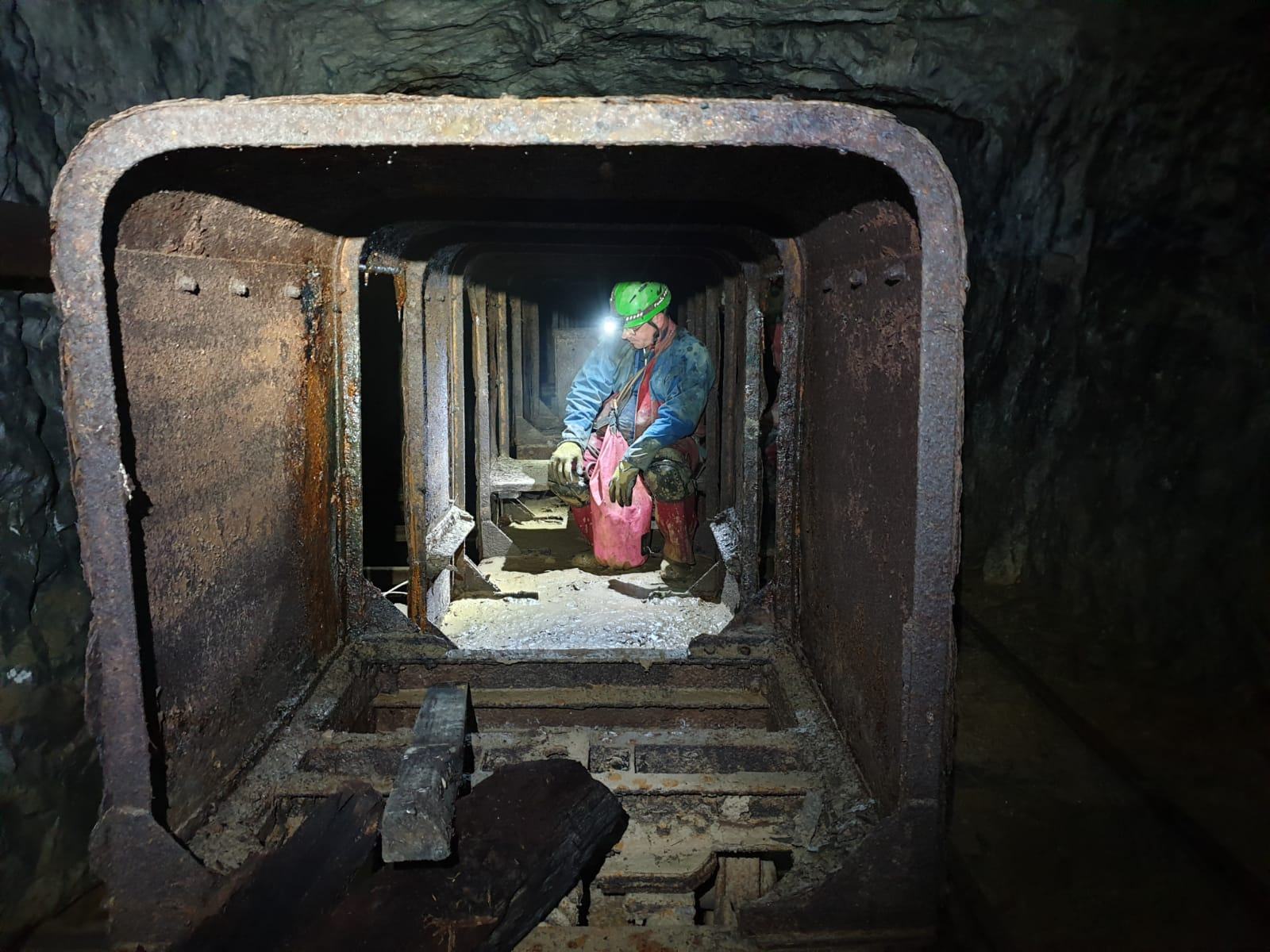
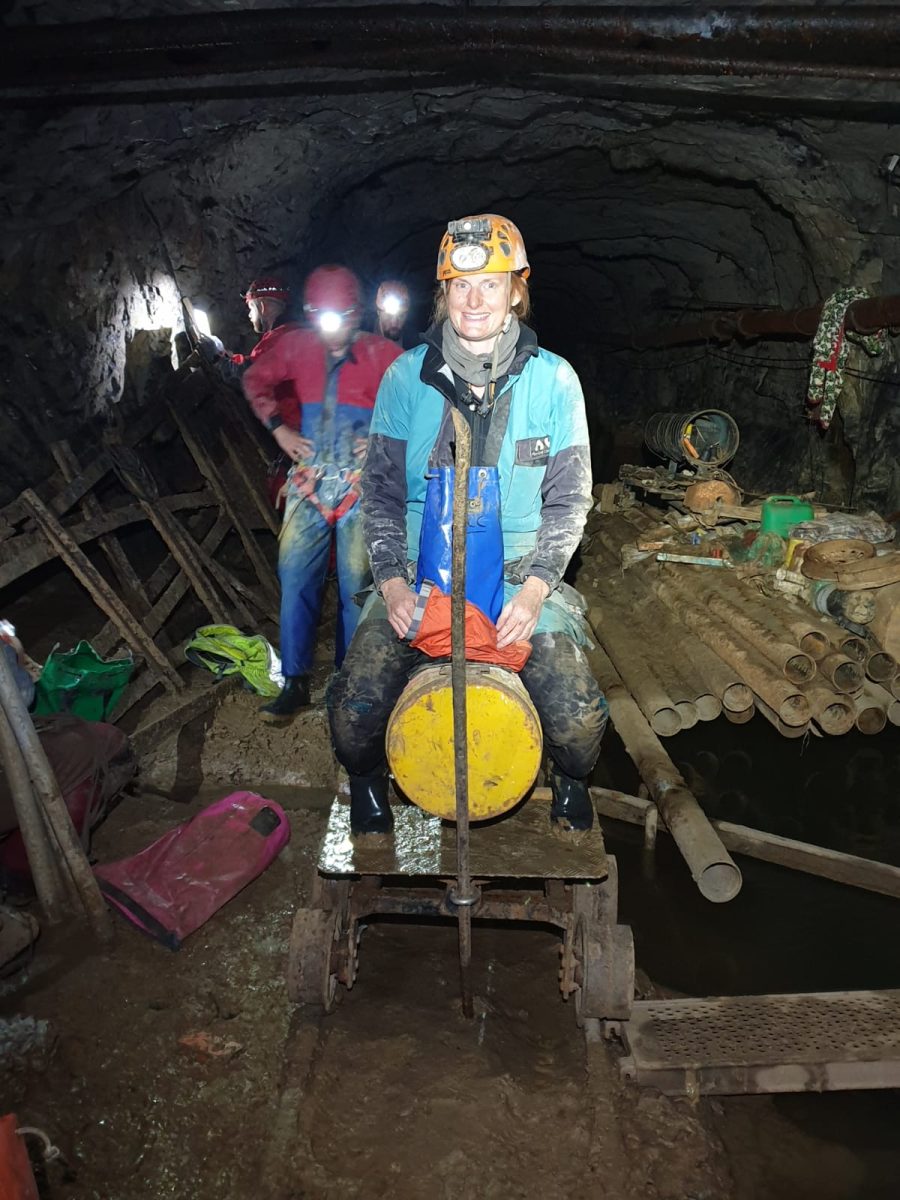
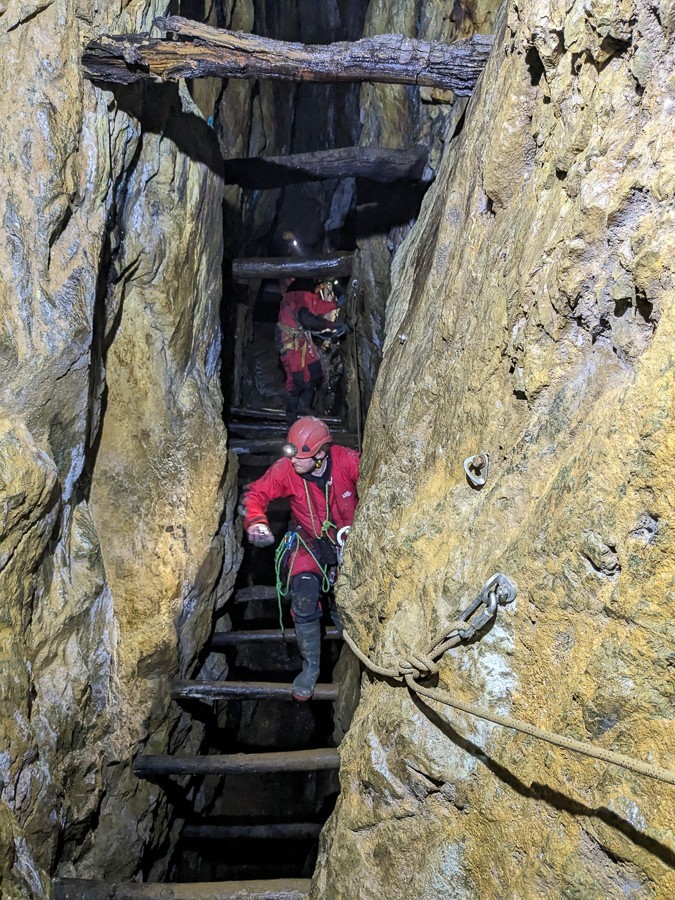
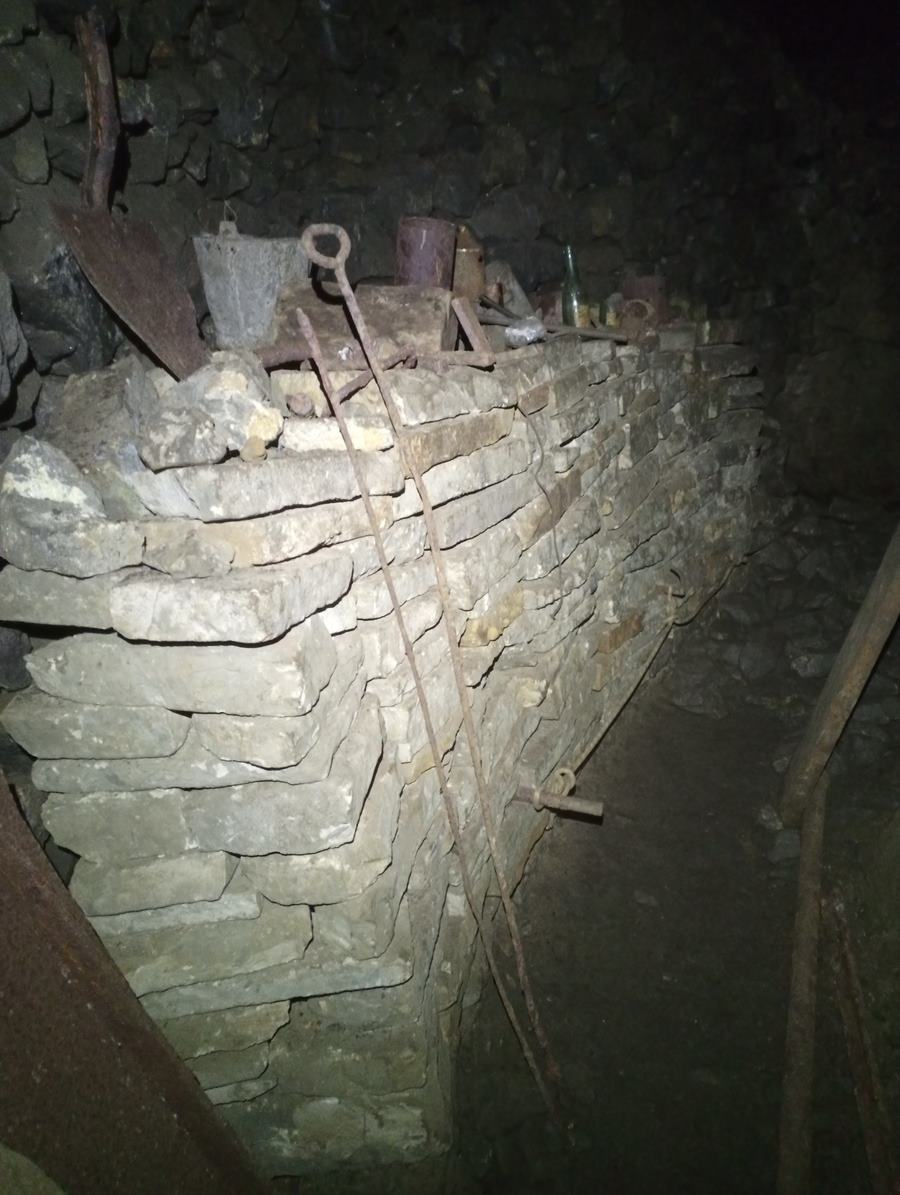
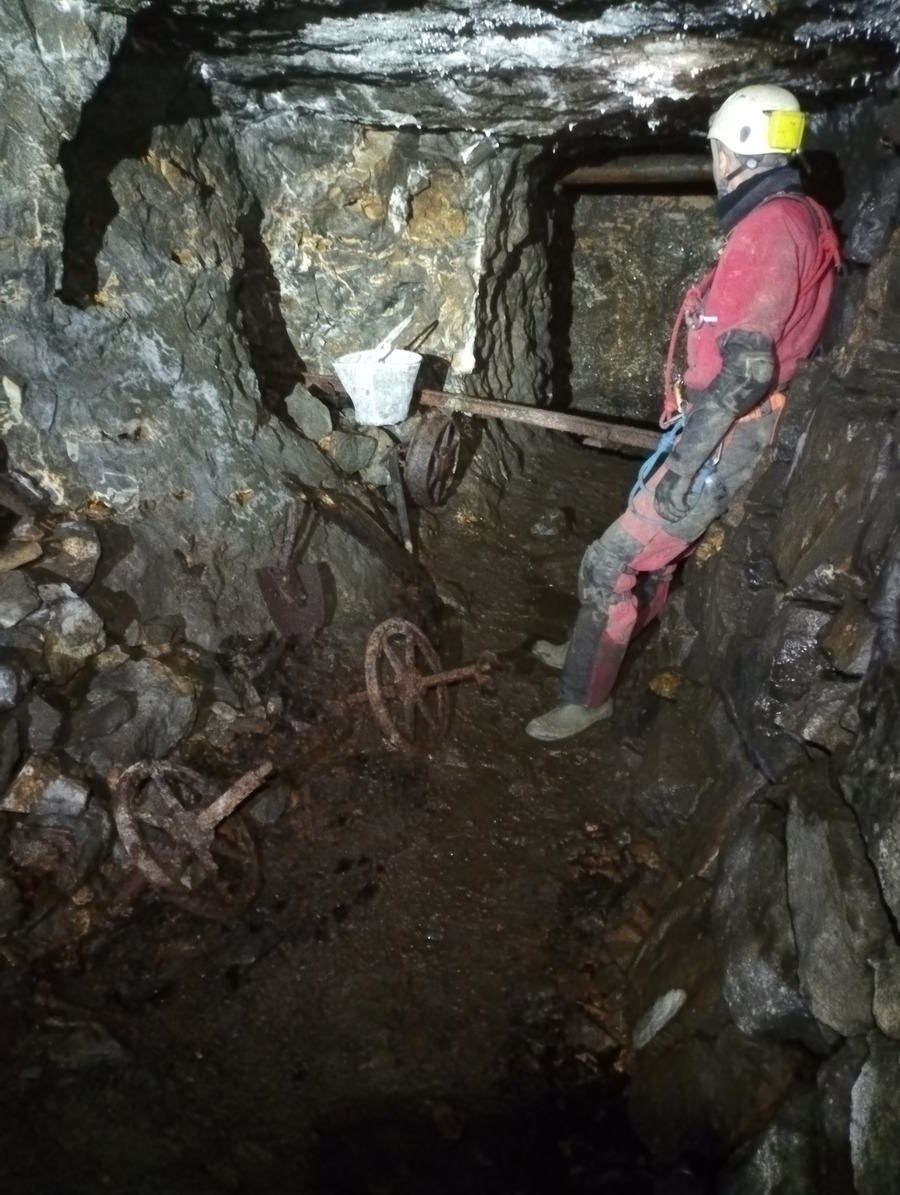
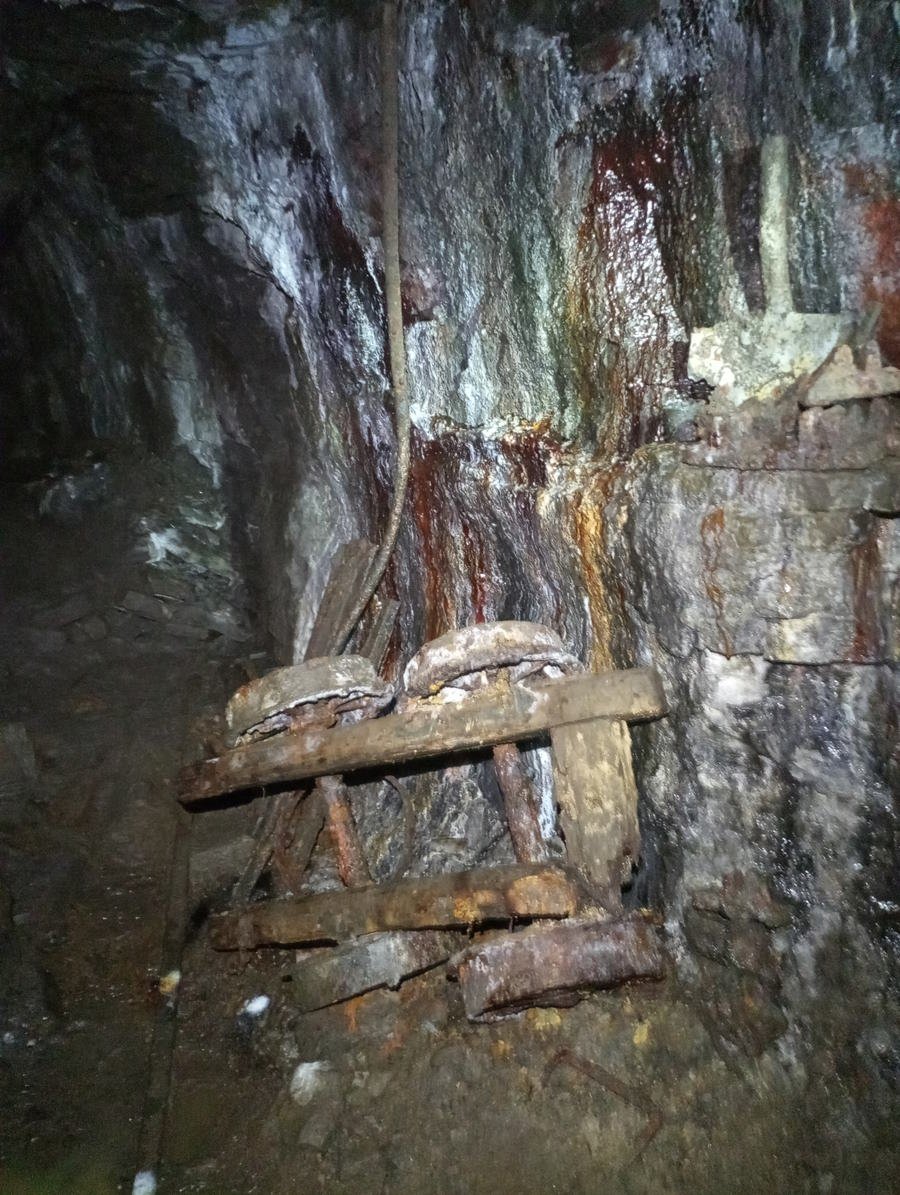
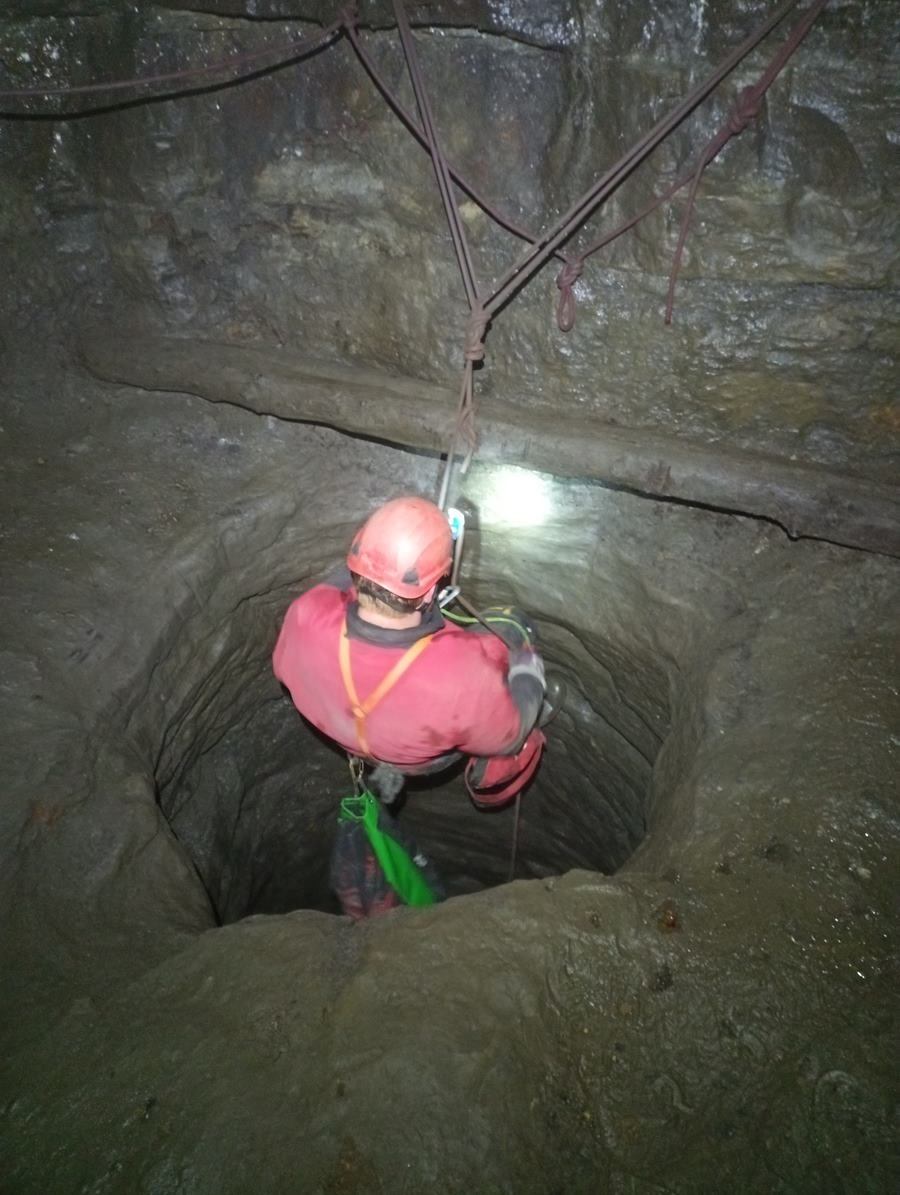
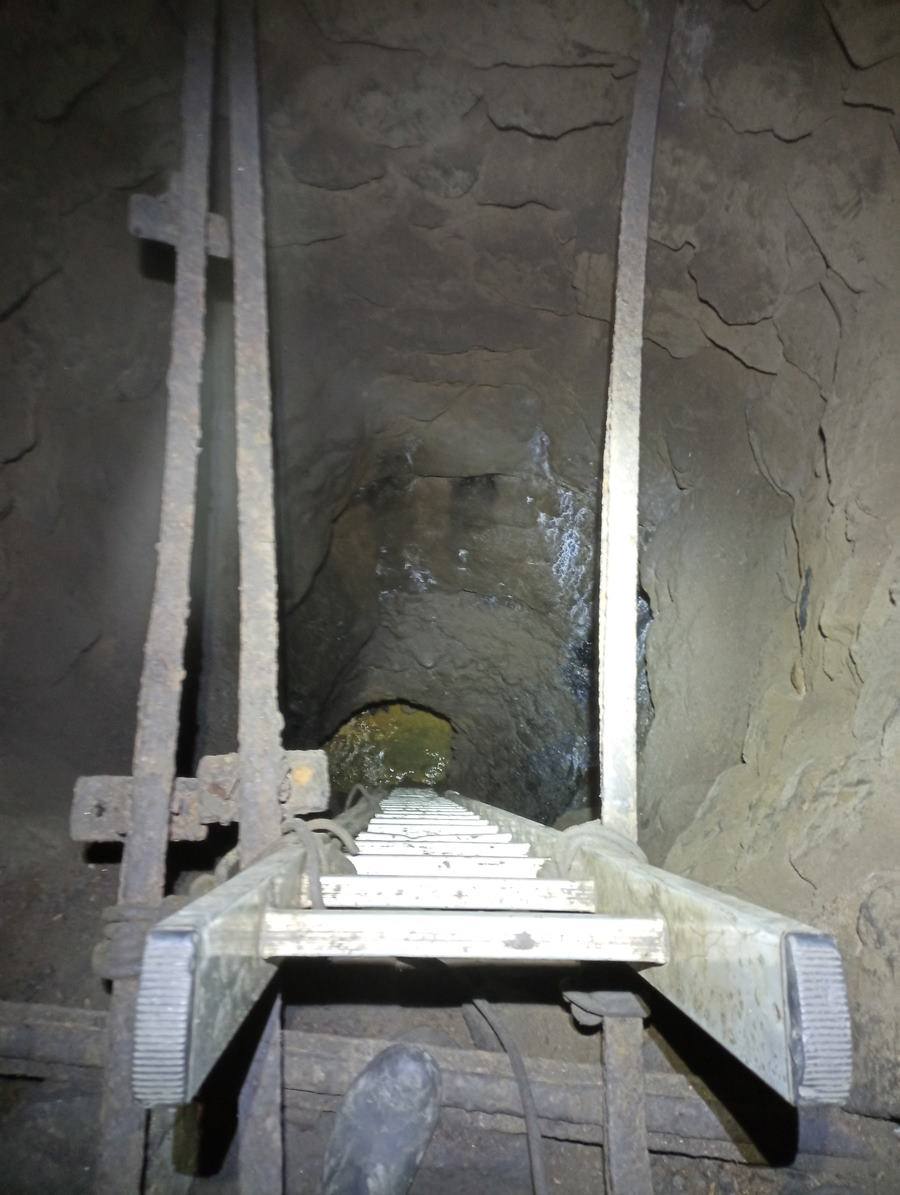
Heading back towards the standard through trip route over MAGS catwalk, we realised we were missing two, these determined mine explorers attempting to leave no working unseen were quickly rounded up and shuffled over the stemples of MAGS. We made quick progress down the large top-middle pitches, and here another side mission to view the wonderful wheelbarrow and candles was made while the trip leader had a pasty. A 30m pitch rigged down from open winze. It’s a great sight, but once is enough.

with time getting on the group made short work in getting down the final traverses and pitches to hospital level and so out back to a lovely rainy day. 5 hours underground and 8 pitches  

https://www.flickr.com/gp/199763228@N07/37159g626S

Devis Hole Mine Caves

Damian, Maz, Nick, John, Miranda, Vikki, Ray

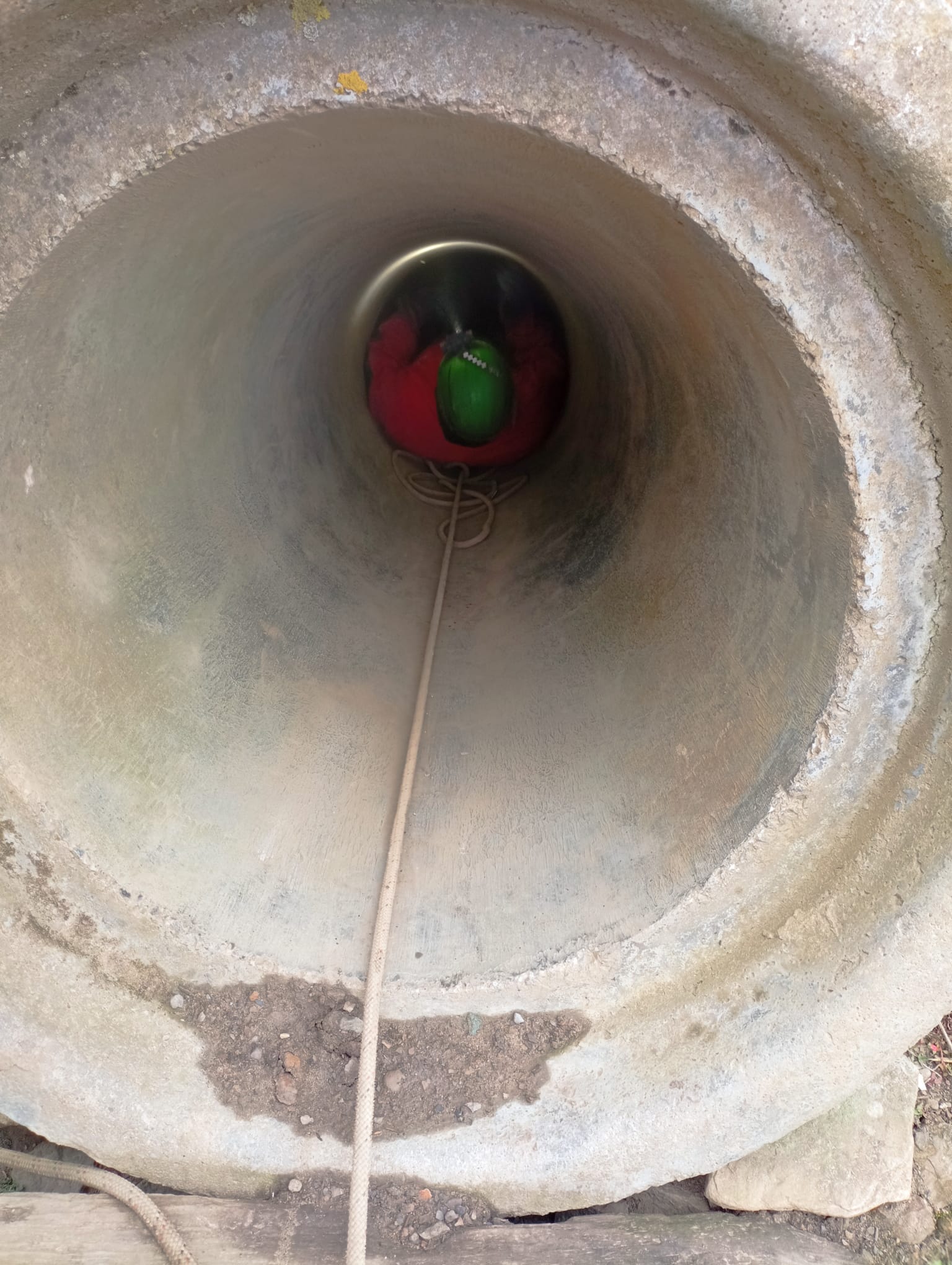
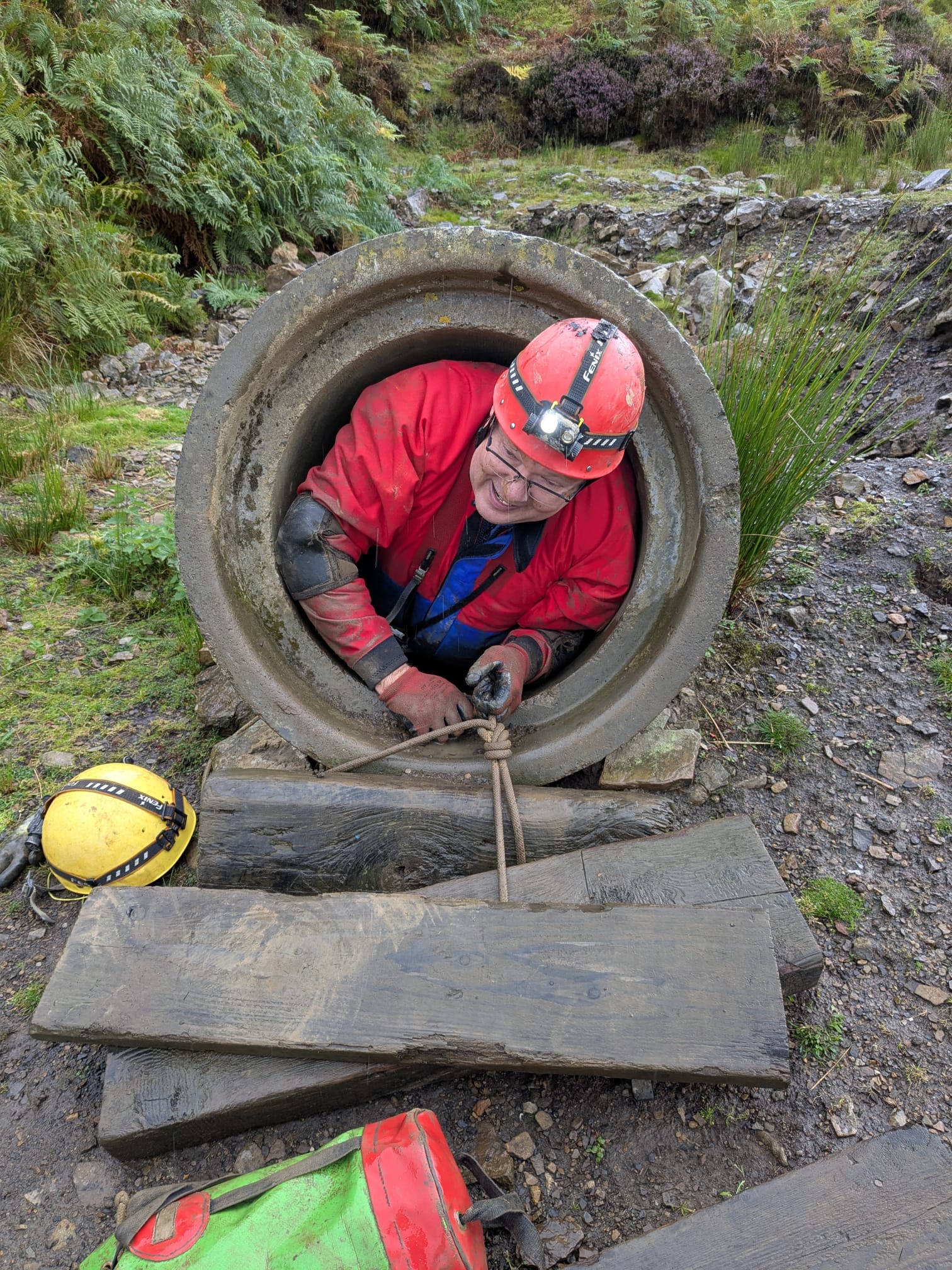
After a long drive, we all met up at a lovely spot just above Grinton. The first order of the day was to decide who was our leader – Maz suggested it was Damian; Damian nominated Maz. Maz must have lost this particular battle as he led us up the short walk to the entrance. And what an entrance it is: a concrete pipe, less than a metre in diameter sticking out of the ground at a shallow angle. Given the length of said pipe (maybe around 10m), we were glad to see a pre-installed handline. We surmised that exiting the place may be difficult without it.

Maz, now confirmed as our leader, set off into the jaws of hell first. As he seemed to still be alive, we thought it safe to follow him. At the bottom of the pipe, a short low section led to easy walking passage. While this had clearly been mined, there were various bits of natural cave passage leading off, mostly not large enough to enter. Eventually we reached various side passages into the Central Maze area of natural cave passage. On the survey, this looks like a bewildering maze of criss-crossing passages. We didn’t enter this area as we wanted to get to the further reaches.

Soon we reached the junction with Wellington Vein. First we headed right (west) towards the Occidental series, which we didn’t manage to find. No problem, this was never really our goal anyway. Back at the junction, we headed the other direction (east) in search of Robinson’s Level, which we found after passing the entrance to Cranehow Bottom Level.

Robinson’s level started easily enough, but mutterings from the front eventually indicated that we had reached the 2002 breakthrough dig. A bit of a climb up led to a descent into a miserable wet crawl. Hmm… was it really worth it? Maz was cajoled to “just do it”. He wasn’t sure, but just before an actual boot was inserted up his backside, he just did it. The rest of us waited with baited breath. Was that the last we would ever see of him? Of course not. In no time at all he was through and beckoning us to join him with tales of wonders beyond.

On the other side of the breakthrough dig, the most noticeable thing for me was that rails were now in place, where there had been none up to this point. This led the Moldywarps explorers (who had first reopened this section of the mine back in 2002) to surmise that the collapse was pre-war. It also promised that there were likely to be various artefacts still in place beyond here.

We hurried along the continuation of Robinson’s Level, knowing that there was a sump (in the mining sense) beyond which would take us down into the really interesting stuff. Not knowing what the rigging of this sump would be like, we had come prepared for anything, including spits. We needn’t have worried. Approaching the sump, we could see 3 very shiny and hefty ring bolts sticking out of the wall, 1 for a traverse and 2 for a y-hang. Lovely. There was even an old sling in place for a deviation.

In no time at all we had this rigged and sacrificially offered John as a rope dummy. To his dismay, there was just 1 problem: the rope didn’t reach the bottom! I had read somewhere that we didn’t actually need to go to the bottom. Was there an old rail sticking out about 4m from the bottom, and did our rope reach it? Yes and yes! We were back in business. John was able to land on the rail and balance into the passage. There was even (just about) enough rope to tie it off at the bottom. For future reference, we used a 25m rope, which was just about long enough. You wouldn’t want anything shorter.

One by one, we joined John at the bottom, apart from Nick who gave it a good shot, but wasn’t feeling it on this occasion. Fair enough – he was just getting back into caving after a long lay-off. We promised we wouldn’t be long and Nick said he would wait for us.

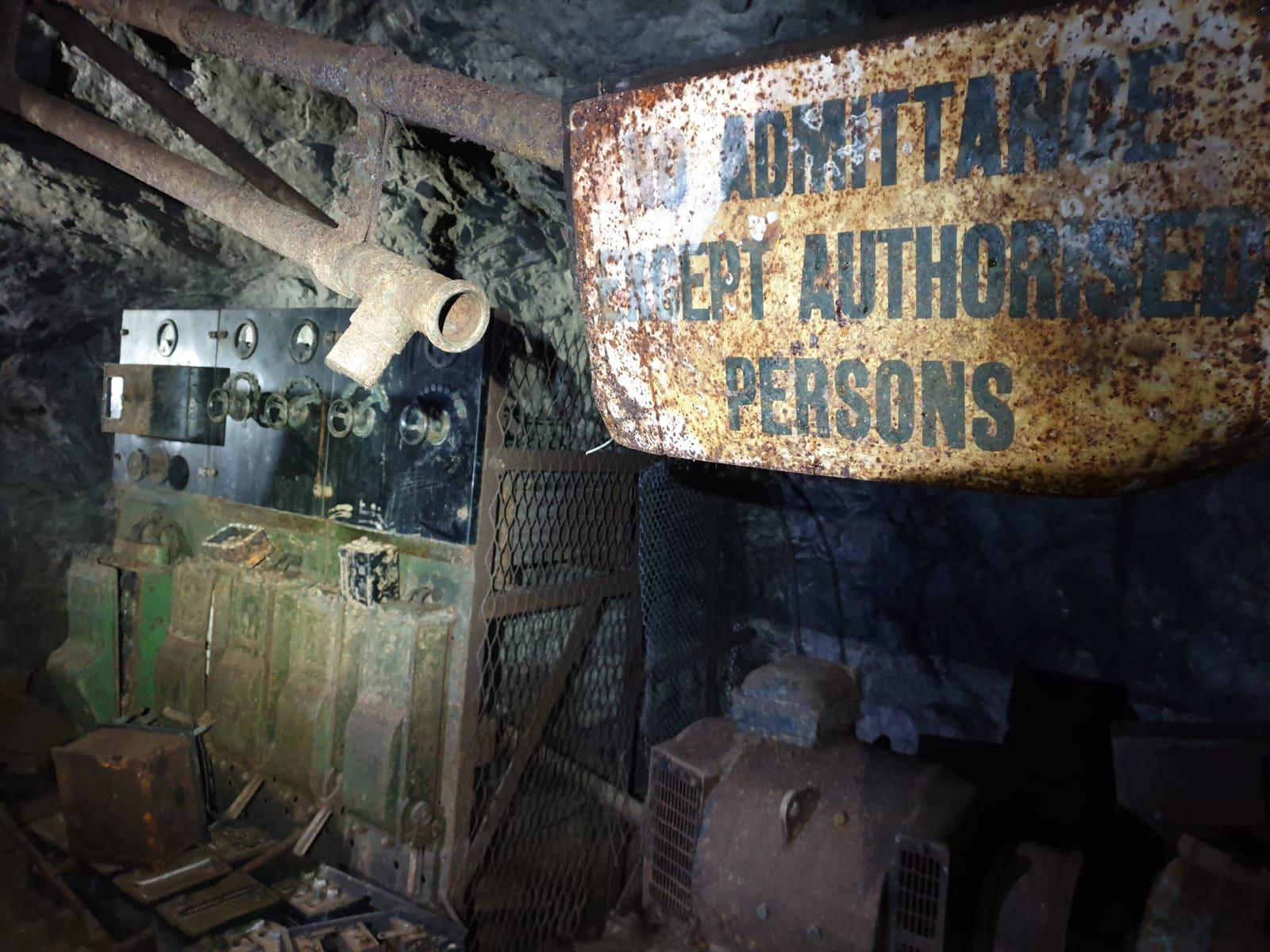
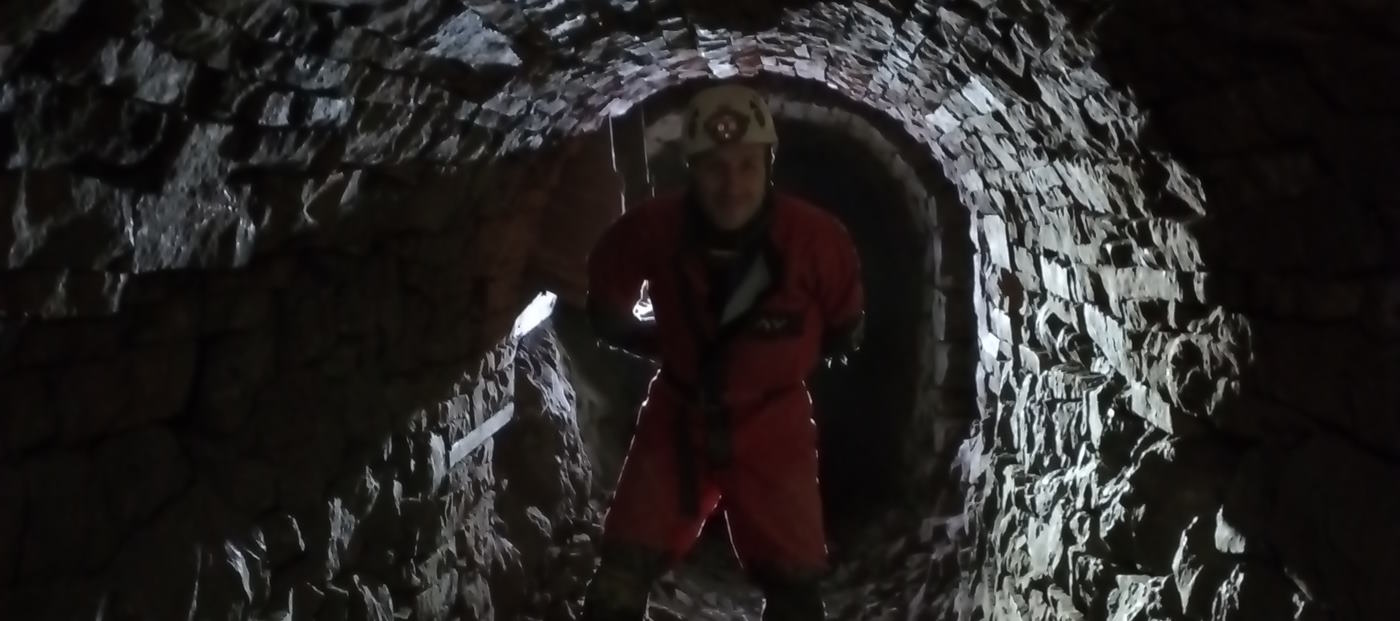
Below the pitch is Horn’s Workings. A cursory look at the survey suggested that this was basically a loop with a central area (possibly of natural passage?). So we planned to do a tour of the loop and then join Nick again. We set off to the south in an awkward stooping height passage. There were quite a few artefacts on this level – old carts, tools, a boot, even a nicely arranged display of old shovel heads. We passed the entrance to the South Cave System, which we would unfortunately have to leave for another day… or would we?

While we stopped to look at some artefacts, I took the chance to have a closer look at the survey. Ahh! Horn’s Workings don’t actually form a loop. Sadly, one leg of this supposed loop was at a much higher level (Cranehow Bottom Level in fact). Still, we plodded on, eventually reaching the inevitable up pitch – complete with fixed rope. This rope looked to be in good condition, leaving the possibility of a nice round trip – in via Robinson’s Level and out via Cranehow Bottom Level. One day!

So we had to retrace our steps round Horn’s Workings. At the junction where the South Cave System leads off, John & Miranda headed back to find Nick, while the rest of us took some time to recce the South system. Almost immediately, the stooping height mined passage ends and we were into much easier and prettier natural passage. The walls were exceptionally well sculpted. We explored this area for a bit, but barely scratched the surface. We turned back with plans to return before too long to push further into the South system and beyond into Wyvill’s Level and the East Cave System. Now that would be quite a trip!

 On the way back out Maz, Damian, Vikki and I did poke into the Central Maze area. Wow. What a confusing place. I think I would definitely want a compass to explore much more of this area.

This was my first KCC Seniors trip. I suspect it won’t be my last. Thanks for having me!

Photos by Ray, Maz and Miranda
Henning Valley Cave + WHL

Dave, Tom, Scott, Pete, Nat, James, Steve and guest attendee Simon. 

Gathered on a quiet street leading out of Lindal-in-Furness rather than the Yorkshire Dales, we waited for the last car full of people to arrive. Questioned by the farmer about our intentions, and reminding them of their permission being given previously, we started cooling down. The last 3 arrived and our happy troop of 8 headed off on the short walk in to one of the longest accessible caves in the Peninsula. 

We quickly made the entrance and everyone watered the woods before walking into the entrance chamber, which smelled like a public badger toilet, lovely. We filed down the small hole in the floor into the bedding chamber and along the stream passage, which lead to a series of crawls interspersed with smaller chambers for a bit of respite. 

We had a rest in heartbeat rift before going through the last really tight crawl to the mosaic floor and the sketchy pitch down to the Crimson Crawl, which seems to be unaffected by the general water table level in the area, James flew off in search of riches unknown, shortly followed by Dave and Steve. This crawl, winding its way along a low, waterlogged stream passage, dotted with polished hematite leads to a natural rift, and intersected by a shirt section of mine level above a tight climb, which naturally we explored and admired the victorian era handy work. Satisfied we filed out and made good time, catching up with the tail end of the rest of the group. 

As the night was but young, and all the crawling so far hadn’t made us wet, muddy and tired enough, we nipped across the valley to Whitriggs Horse Level, to show off the museum of artefacts and the dig into the further workings. This was enough to finish us off and we emerged back into the frosty moonlit night at 9:30, a quick March back to the cars and a chilly change finishing off a good night of underground exploring new stuff for most of the party. 

20241127_194215

20241127_200828

20241127_201112

20241127_203840

IMG-20241128-WA0002

Mystery mine in North Wales

Chris, John, Maz, Miranda, Nic, Sophie, Tim K, Tom and the UCET team

We’d been in touch with UCET about being chaperoned round one of their systems of expertise, a massive system of mines in North Wales.

We headed down on the Saturday afternoon to our campsite at Llyn Rhys, ate, pubbed and headed back to camp for a fire with toasted marshmallows and a responsibly early night.

The next morning at the crack of dawn we de-camped ready for our painfully early 9am meet at the designated secret spot. We met up with the UCET bunch and headed off into the forest to the entrance lid. 

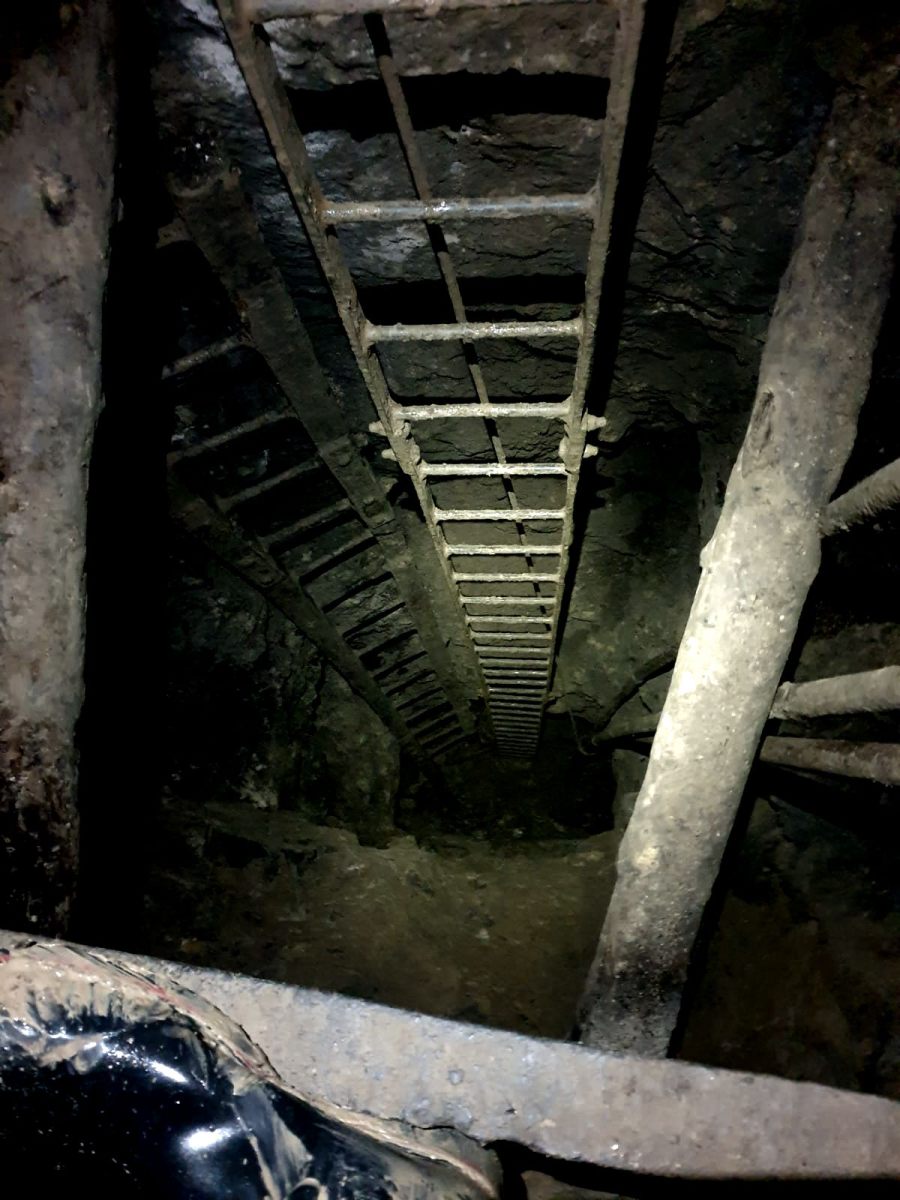
Shortly inside the entrance we passed a teetering stack of deads and debris held up where a rockfall had happened last year. Onward through a cramped old level, passing over deep pits and collapsed false floors until we reached the first set of ladders. These were great fun, with some airy heights as you threaded back and forward through the workings, deeper into the mountain.

There was plenty to see along the way, and finally we popped out in the side of a tall stope, with solid modern ladders heading one after another into the depths. With these behind us, a short walk led into muddy passage and we popped out into the main adit. 

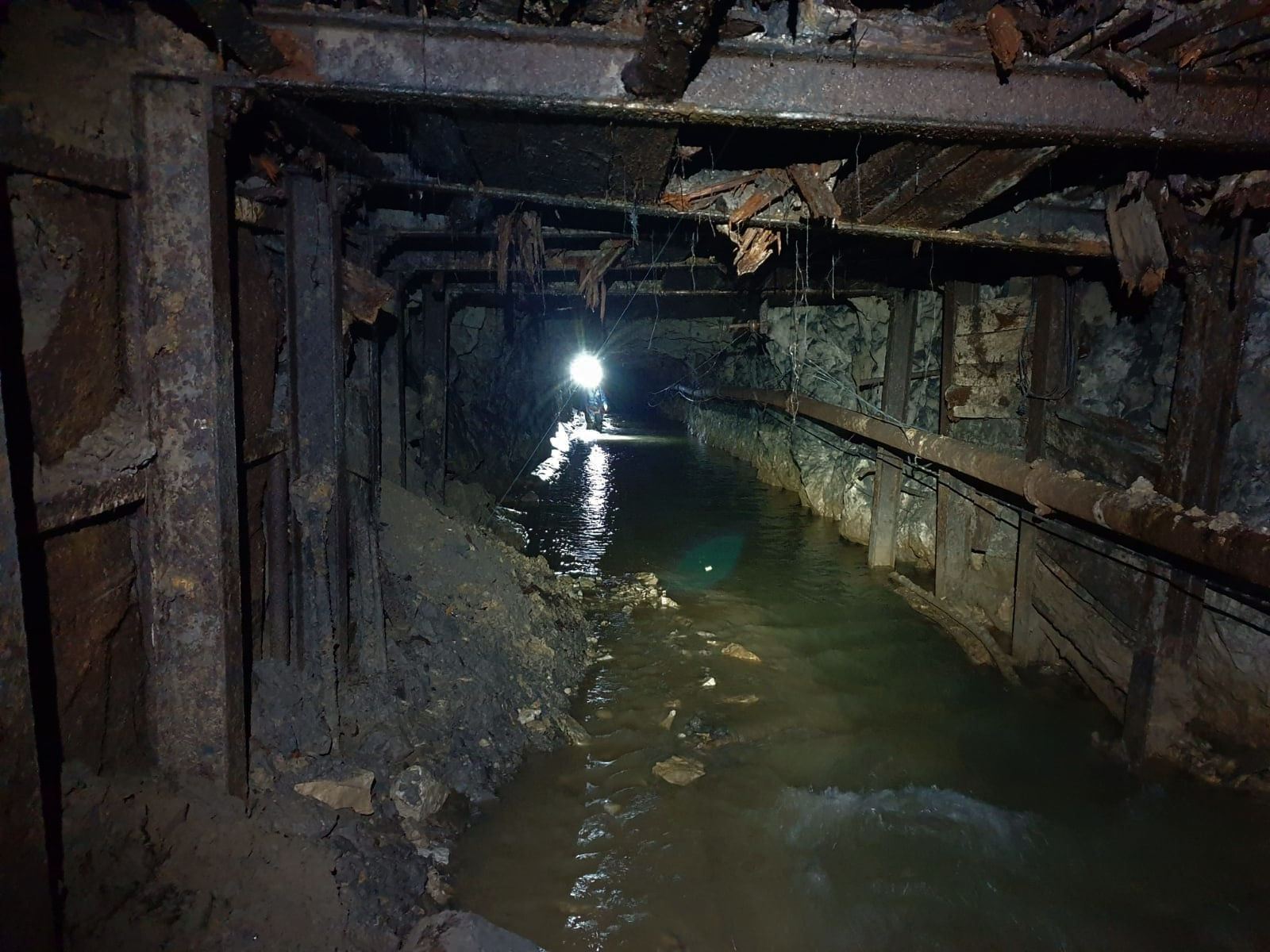
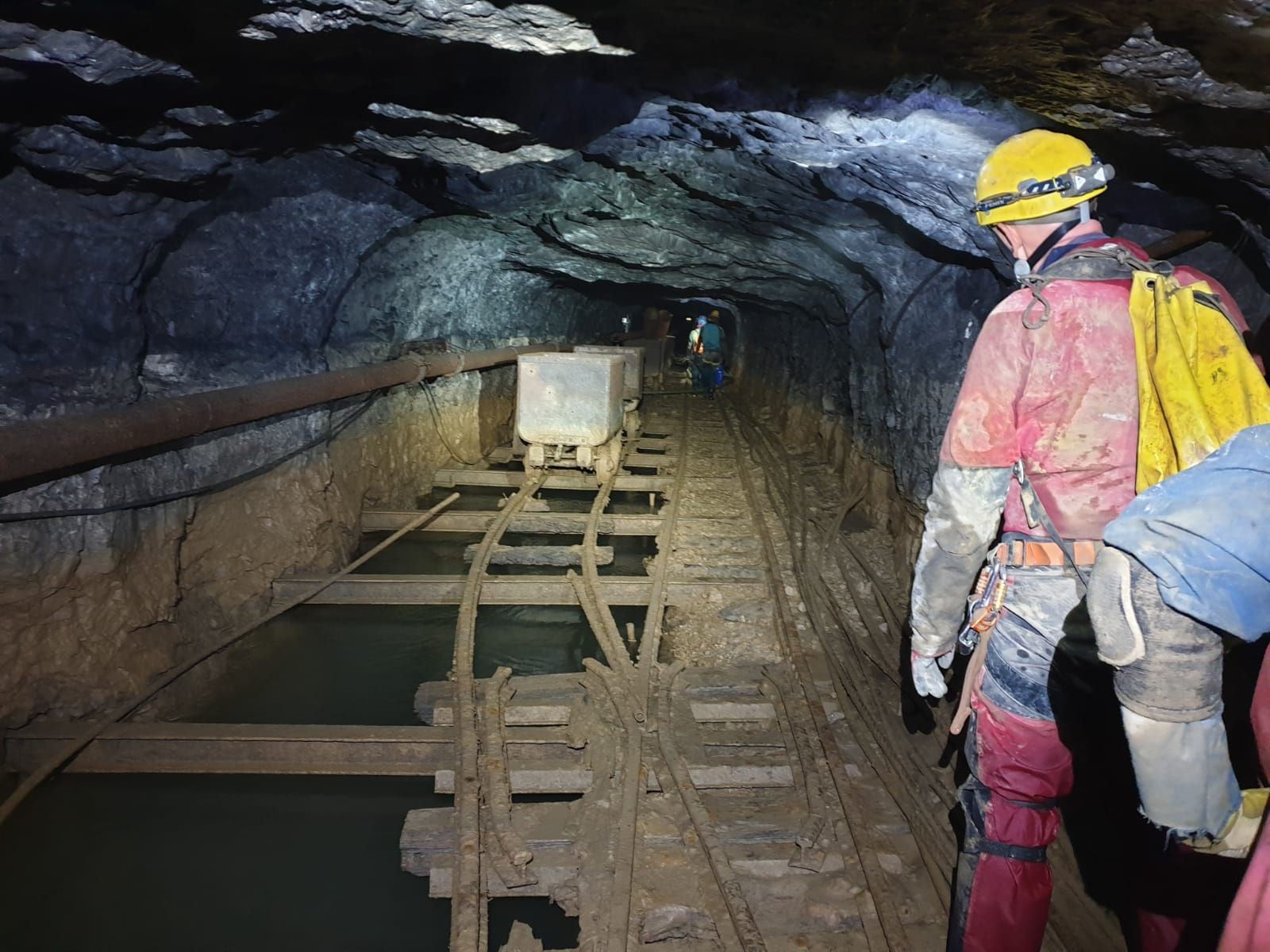
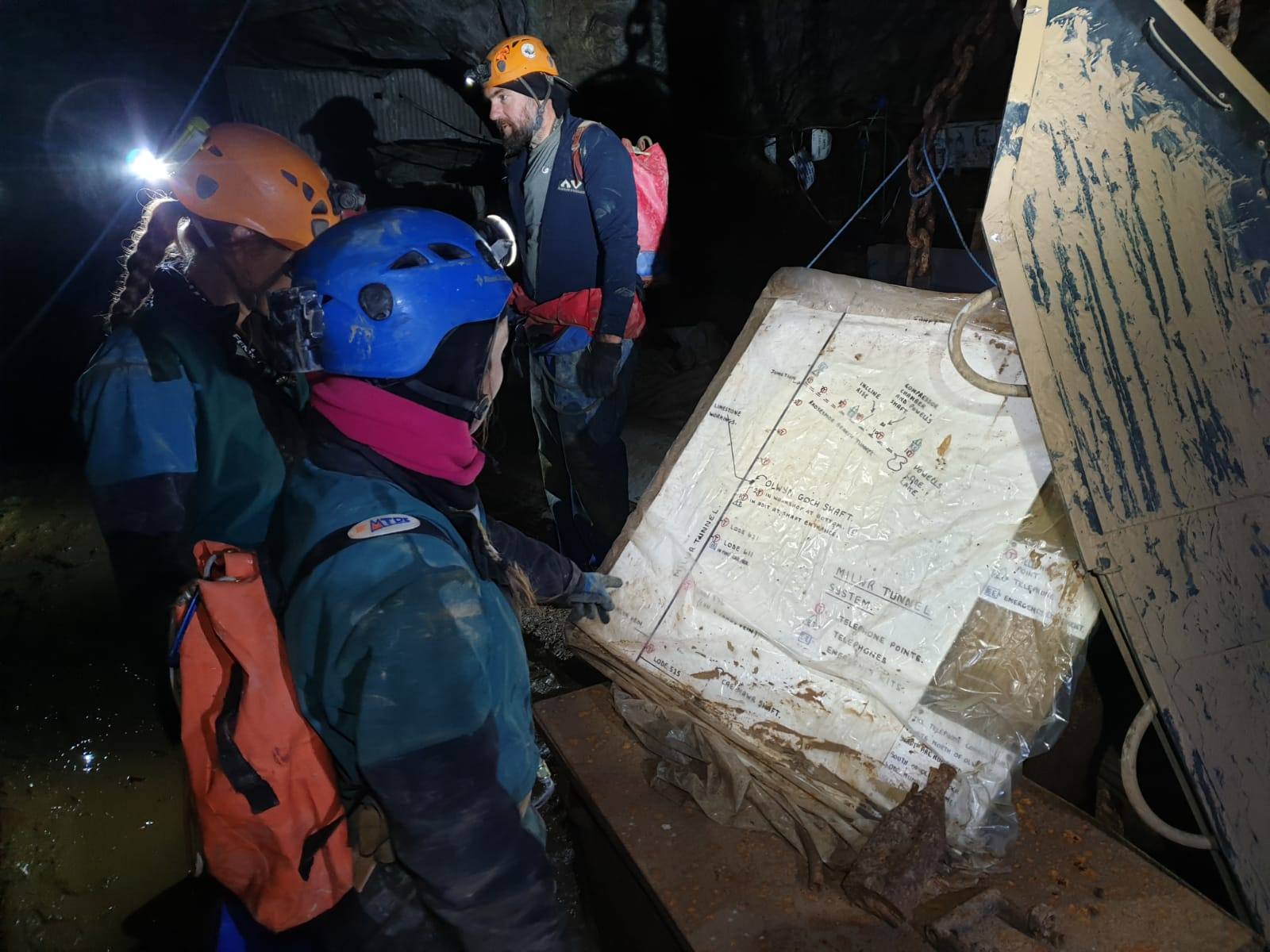
After a quick break for drinks and snacks, we stomped on downstream in the main passage, with its railway running beside a deep and fast-flowing river. The extent of this place was huge, and we walked for miles along the ‘floating railway’, stopping off at various engineering workshops, pump houses and sidings along the way. 

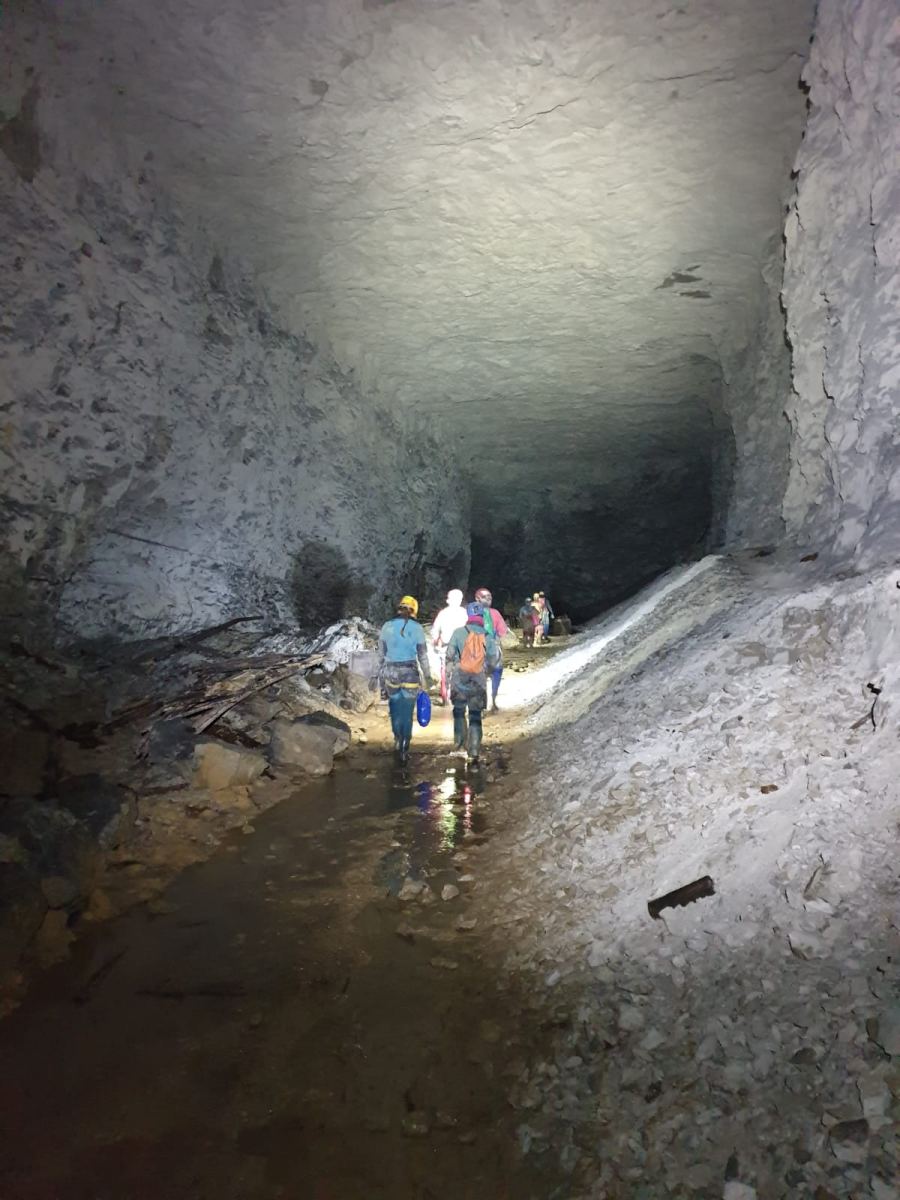
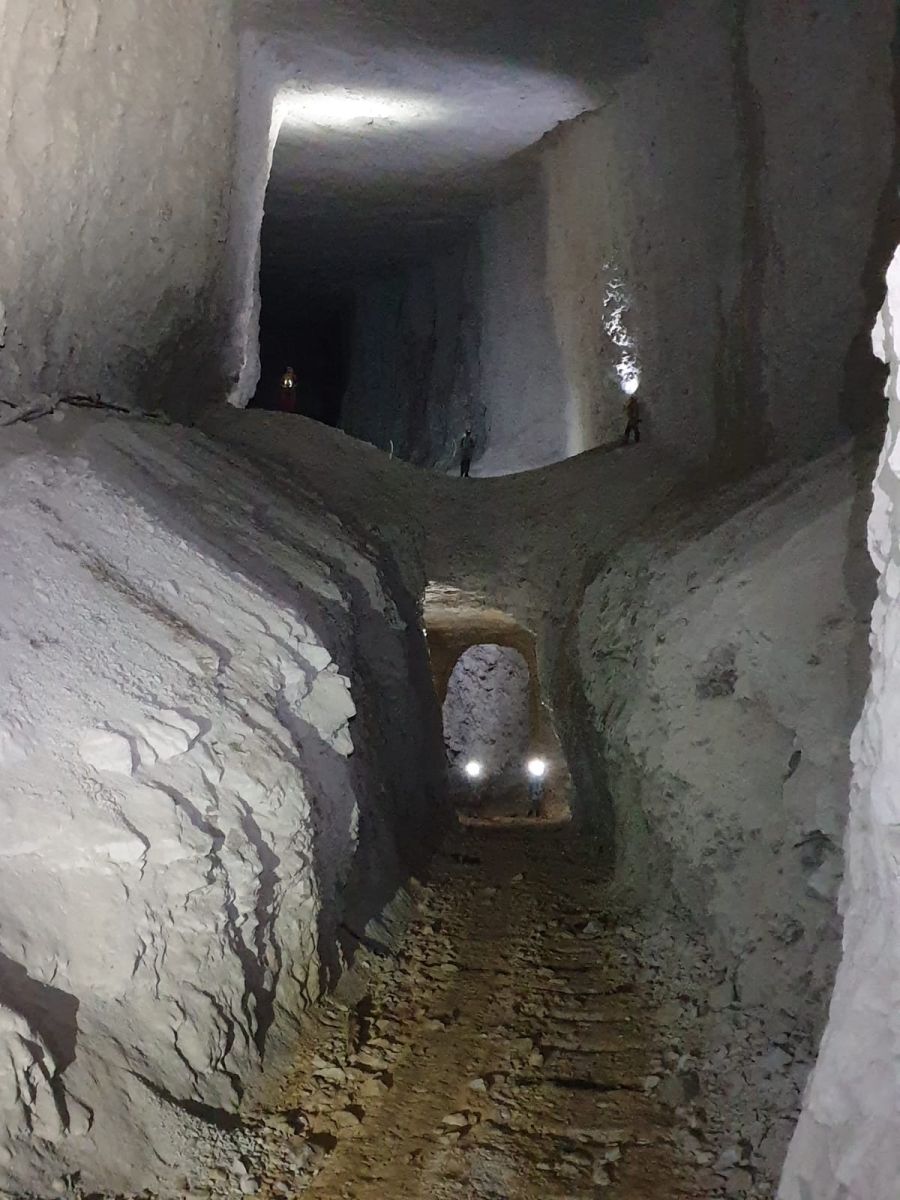
Eventually we headed up a branch tunnel bringing in a heck of lot of water, past chambers used for storing the UK’s TNT arsenal during WW2, and up to a vast natural cavern. A deep lake filled one side of this, and when the depth of the chamber below water is added to the soaring ceiling, this makes it a contender for the UK’s largest underground cavern. 

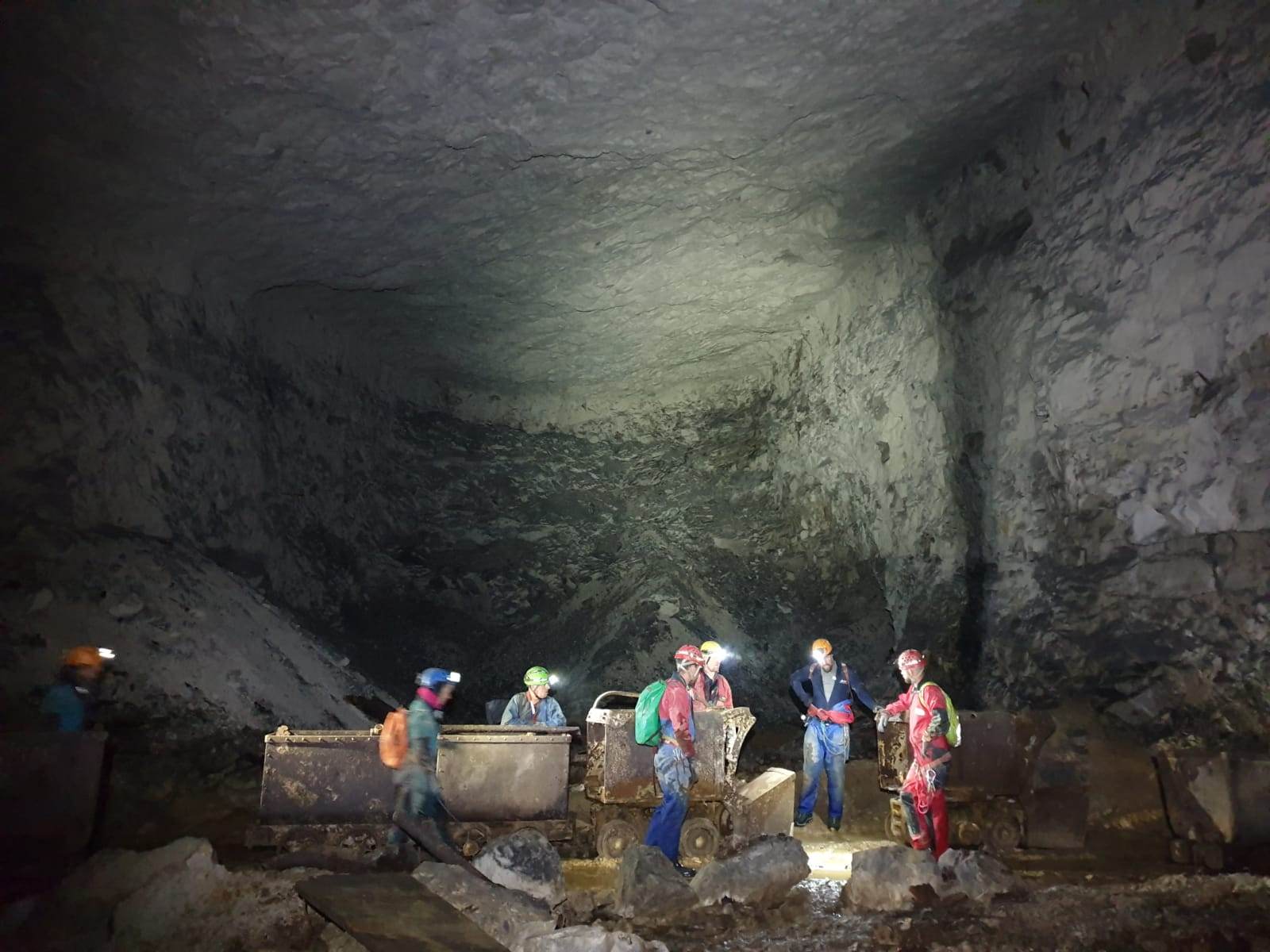
A quick bit of lunch then we split up, with John, Miranda and Chris starting the treck back out, and the rest of us continuing to some more modern and seriously big workings, complete with mechanical shovels and carts scattered around the huge tunnels.
On our way out we stopped at another couple of lodes along the way for more scratting around, before the trudge back up the tunnel to the junction where our entrance joined, and the start of the long ladder climb back out. nearly 9 hours underground, covering over 10 miles, and a pint at the local with our hosts went down a real treat. Thanks UCET!


Coniston Coppermines

Tom, Chris H, Yolanda, Vikki, Ray

A sunny Saturday saw 5 of us squeezed into a Berlingo and heading up the much improved track as far as the Youth Hostel. A steep walk up the hillside beyond and we were soon embarking on a leisurely pootle down through 5 levels of the Coniston Coppermines, from Levers Water down to the Hospital Level.

As usual, not far inside the mine we took a quick detour to visit the Stemples of Doom! Apart from a few longer-than-entirely-comfortable steps, they’re not too bad to cross, and they are protected by a traverse line. Some people prefer not to look down the gaping void below though.

A short bit of easy passage and a couple of pitches soon brought us to the jewels in the crown of this particular mine: the Green Pool and the Blue Boulder, expertly photographed by Chris. The photos below show the colours as they actually are… not some artificially enhanced version!

Another short section of passage then leads to the final pitch down into the Hospital Level. This pitch always has a lot of loose rock at the top, so it was strictly one person moving at a time. Once down to the Hospital Level, it’s an easy journey back to the surface.

A satisfied crew then made their way down to the Black Bull for a celebratory pint, apart from Chris, who unfortunately had to head straight off.


Nenthead

Tom Calpin, Scott Nixon, Ray McGarry

Scott and I had fancied figuring out the Smallcleugh to Rampgill through-trip via Proud’s Sump for a while, and with Ray we decided to give it a try. 

We headed up to Nenthead for a leisurely 11am start after coffees and muffins at the Alston services, and wandered up to Smallcleugh. Dropping the bags at Proud’s Sump we headed round the near flats for a quick round-trip. Before long we were back at the sump and kitting up for the descent on the in-situ ropes (which were in good nick). 

At the bottom of the first drop were 2 routes on – Scott wasn’t liking the look of a traverse over a pit with the rope secured to rusting rails, and thankfully the route on was the other way, with a short crawl dropping to the second pitch. The in-situ rope for this was almost new and had a deviation in which left no rope rub. This pitch dropped eerily into a flat, with the shaft carrying on down but at this point we swung off into the flat. We then spent a good hour wandering round Proud’s Flats, there’s plenty of stuff to see in here. 

After we were done we headed down the continuing aluminium ladder and into the running water of the Rampgill drainage level. From here on out it’s easy, following the water past plenty of bright colours and rotting ore chutes, until we hit a rope climb up that we recognised from a previous visit. Onwards for 20 minutes and we were at Whisky Bottle Junction. After a final stop to peer over the edge of the Brewery Shaft, we headed out into warm sunshine right next to the car.

Photos by Ray

Carrock Mine

Tom Calpin, Scott Nixon, Bob Cattley, Tim Donovan, John Forder, Miranda Forder, Pete Blamire
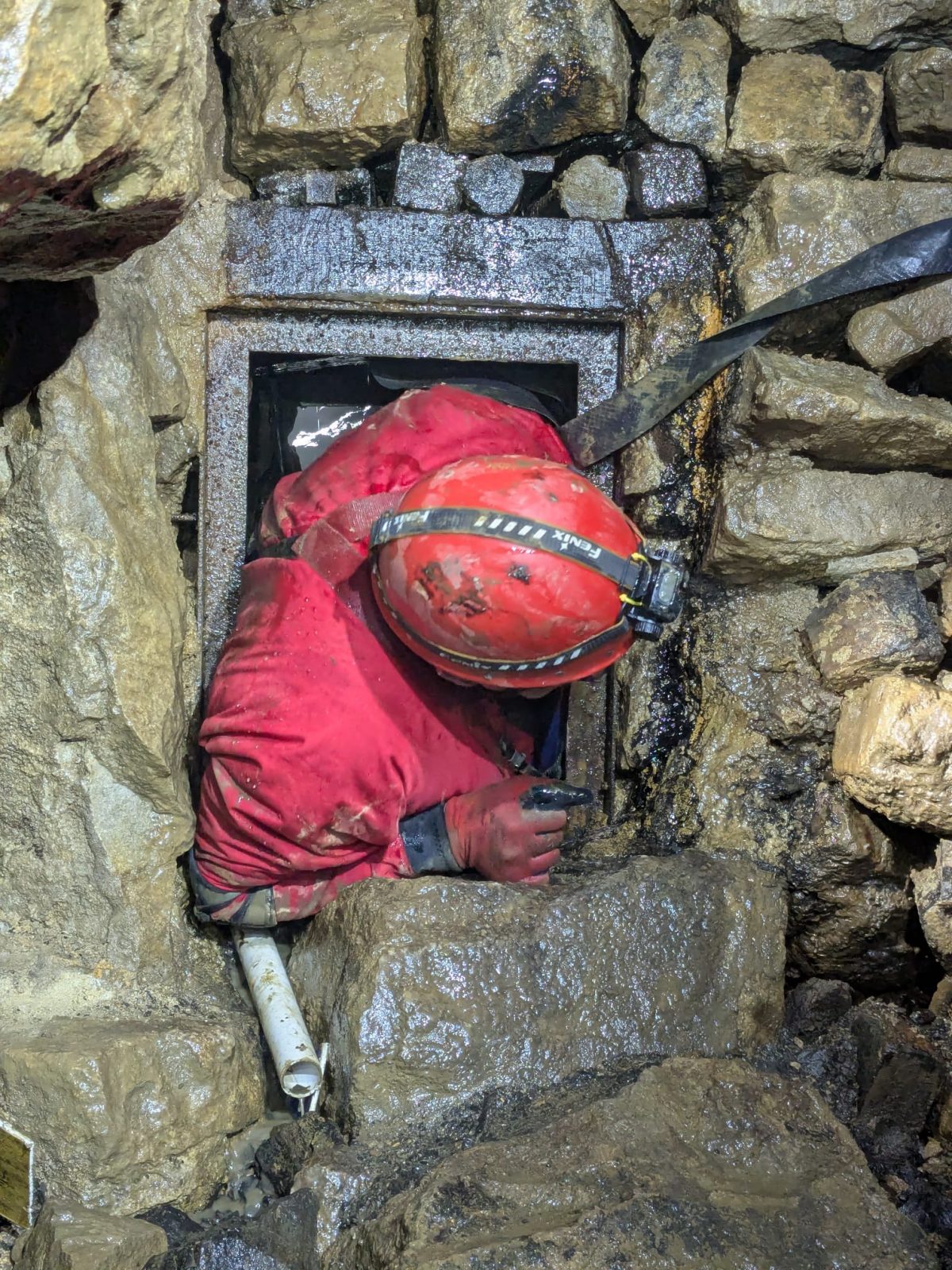
A pretty damp day, perfect for a mine. I’d planned a complete through-trip from the top open stopes through to the bottom level, so we all blindly slogged up the hill in kits with rope (this was a new trip to us, although Bob and I had been in the bottom level before). But on reaching the stope, we realised that mine explorers’ bolting is somewhat different to us entitled cavers – they were just raw bolts, you’re expected to bring your own hangers! In a strop we rigged back to some sort of boulders behind the hole as a backup, and Scott rigged the pipe bridging the stope for the main hang. But…disaster. We dropped the rope down and it was still falling at full speed when it went taut – the rope was probably too short, given that we’d used a bunch of it on backing up to a natural.

Trip ruined! Ah well, we slunk back down the hillside to the bottom level, stripped off our kits and left them inside the locked gate, and went for a thorough explore of the bottom level instead. First we headed up the Harding vein to check out all the hoppers, crosscuts, and past the blockage to the far end of the vein, where we found the ladders leading up to the stopes from the through-trip. At this point, Bob’s CO2 meter started getting tetchy and we called off the 8 ladder climb with Miranda partway up. We headed back around the bypass to the collapse and the meter got even more tetchy, beeping loudly to tell us to get a move on. 

Next we headed up the Wilson vein, with quick stops to check out minerals, leftovers and to post Scott up into a creaking manway up a ladder. Outward we headed to driving rain covered in arsenic mud and the first appalling car changing session of the winter season. Good times 🙂

Smallcleugh Mine

We all made the long drive in a timely fashion and by 11.30am, we were heading up through the old mine buildings towards the Smallcleugh mine entrance leaving Emma, who had sustained a double ankle injury in a fight with the bottom stair of a spiral staircase, to her own devices in the car park. On the way, Andy managed to persuade some unsuspecting visitors to join one of the mine society’s Open Day trips and we took the opportunity to introduce ourselves to the volunteers from the Mine Conservation Society and to bag our cake choices for our return. We were also advised to avoid Luke Hall’s sump as the metalwork had collapsed and the walls were in danger of joining the metalwork.

Smallcleugh horse level was followed through to Smallcleugh Flats. (I thought we were Wheel Flats & promptly turned everyone westward along a passage that led directly to Luke Hall’s Sump!) Phil continued along the main passage and discovered a sign hailing entry to Wheel Flats and so we continued without further ado to the infamous Ballroom Flats. The main mineral in evidence was galena—as you would suspect in a lead mine. The arched passages, handcrafted by mine workers, were quite spectacular and large enough to only require limited stooping (except in areas of collapse), and the water was rarely over ankle deep—so a comfortable start to our journey.

After Ballroom Flats and a Darren photo shoot, the size of passage decreased to a belly wriggle where crawling in the roofs of arched passages was necessitated due to infill. Once more we encountered Luke Hall’s sump and thereafter we peered expectantly into each sump looking for the ‘only rigged sump on that level’. A 17m descent down a tube brought you out on the edge of Proud’s Flats where a slight swing was needed to reach secure ground. We all investigated the Flats and the 3 obvious passages, discovering wheels, shovels, an almost entire carriage and an ammunitions box.

A ladder had been installed the previous week to replace the final rope pitch and henceforth the water was followed over a good kilometre of passage in Rampgill mine to exit in the car park. The formations and mineralisation on this long section of passage were magnificent and put the Painters Palette to shame. (The collection of bottles at Whiskey Bottle Junction was something to be admired as well). The final wow factor was the Brewery Shaft, just over 100m deep.

A trip taking around 3h20 was ended splendidly with homemade cake and a cup of tea for the whole team (including Emma) with the Mine Society. Andy found a contact who was willing to open the Brewery Shaft for a future KCC trip and, lured by cake, we started to plan a 2 day excursion to coincide with a future Open Day….the potential agenda comprising a longer through trip on the Saturday and a descent of the 105m pitch, ascent to Rampgill and exit via Smallcleugh on the Sunday. Unfortunately, it does seem that bunkhouse accommodation at the mines is not available on the Open Day weekends so we will have to rethink potential dates. If interested in this possible excursion, please get in touch.
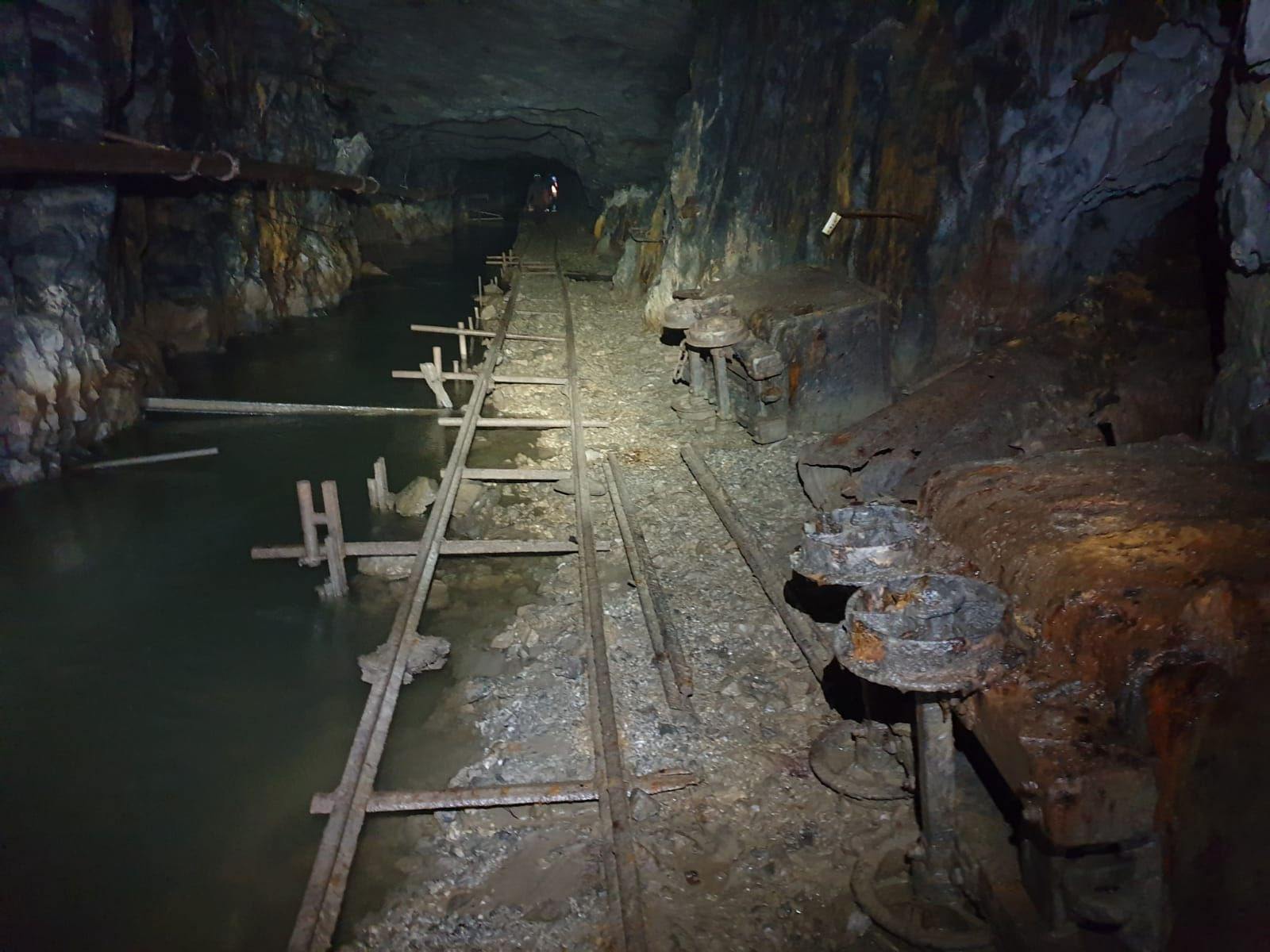
It would seem useful to remind club members that mine artefacts (as with natural formations in caves) should be treated with respect. They definitely cannot be replaced once damaged/destroyed and we are very fortunate to be able to go underground to see implements in positions where they were once used.

Christmas Meet 2016

A great Christmas “Do”, a trip to Wet Grooves mine followed by great company and food. Thanks to Helen and Andy for leading the mine trip and for the use of Hardraw Old School Bunk House

Wet Grooves mine is not as unpleasant as the name might imply and when we visited it was dry as a bone until the lowest level. There is an interesting climb down a cork-screw shaft but care is needed as it is loose in places. There are a few side passages and short loops to explore and there is plenty of geological interest.